
Experience the best of Morocco on this Morocco imperial cities tour, a 7-day trip that combines history, culture, and adventure. Start in Casablanca and visit the stunning Hassan II Mosque. Then explore the imperial cities of Rabat, Meknes, Fes, and Marrakech. Each city is full of historic landmarks, bustling medinas, and traditional Moroccan life.
Along the way, journey through the Middle Atlas Mountains and the scenic Ziz Valley. Visit ancient Roman ruins at Volubilis, and stroll through UNESCO-listed kasbahs like Ait Ben Haddou. The highlight of the trip is the Sahara Desert. You’ll enjoy a camel trek at sunset, watch the golden dunes glow, and spend a magical night in a luxury desert camp under the stars.
This Morocco imperial cities tour is perfect for travelers looking for authentic Moroccan experiences. Think artisan workshops and tanneries, vibrant markets, scenic landscapes, and unforgettable cultural encounters.
Your Morocco imperial cities tour begins with your arrival at Casablanca Airport. Your driver will be waiting to welcome you and start your journey through Morocco’s historic cities. Depending on your arrival time, the first visit of the day is the magnificent Hassan II Mosque. It’s one of the most important religious monuments in Morocco, and one of the few mosques in the country that can be visited by non-Muslims. Built partly over the Atlantic Ocean, this architectural masterpiece is known for its intricate zellige tilework and carved cedar wood. Marble floors and a spectacular seaside setting complete the picture.
Then, continue north to Rabat, the capital of Morocco and one of the country’s four imperial cities. More relaxed than Casablanca, Rabat offers a refined mix of history, royal heritage, and coastal charm. On arrival, you’ll explore its most important landmarks. Start with the Hassan Tower, the unfinished minaret of a grand mosque dating back to the 12th century. Just across from it, visit the Mausoleum of Mohammed V, where Moroccan royal traditions and craftsmanship come together.
Next, the day continues with a visit to the Kasbah of the Oudayas, a historic fortified quarter overlooking the Bou Regreg River. With its narrow Andalusian-style lanes and white and blue painted houses, this is one of the most charming places in Rabat.
Overnight stay: Riad or hotel in Rabat
After breakfast, continue your journey inland toward Meknes, one of Morocco’s four imperial cities. It’s often appreciated for its calmer atmosphere, grand gates, and deep historical character. Once the capital under Sultan Moulay Ismail in the 17th century, Meknes still reflects the ambition of that period.
First, visit Lahdim Square, the lively heart of the old city, where local life, small shops, and the atmosphere of the medina come together. Just beside the square stands Bab Al Mansour, one of the finest and most beautifully decorated gates in Morocco. You may also visit Qara Prison, an underground site known for its labyrinth-like structure.
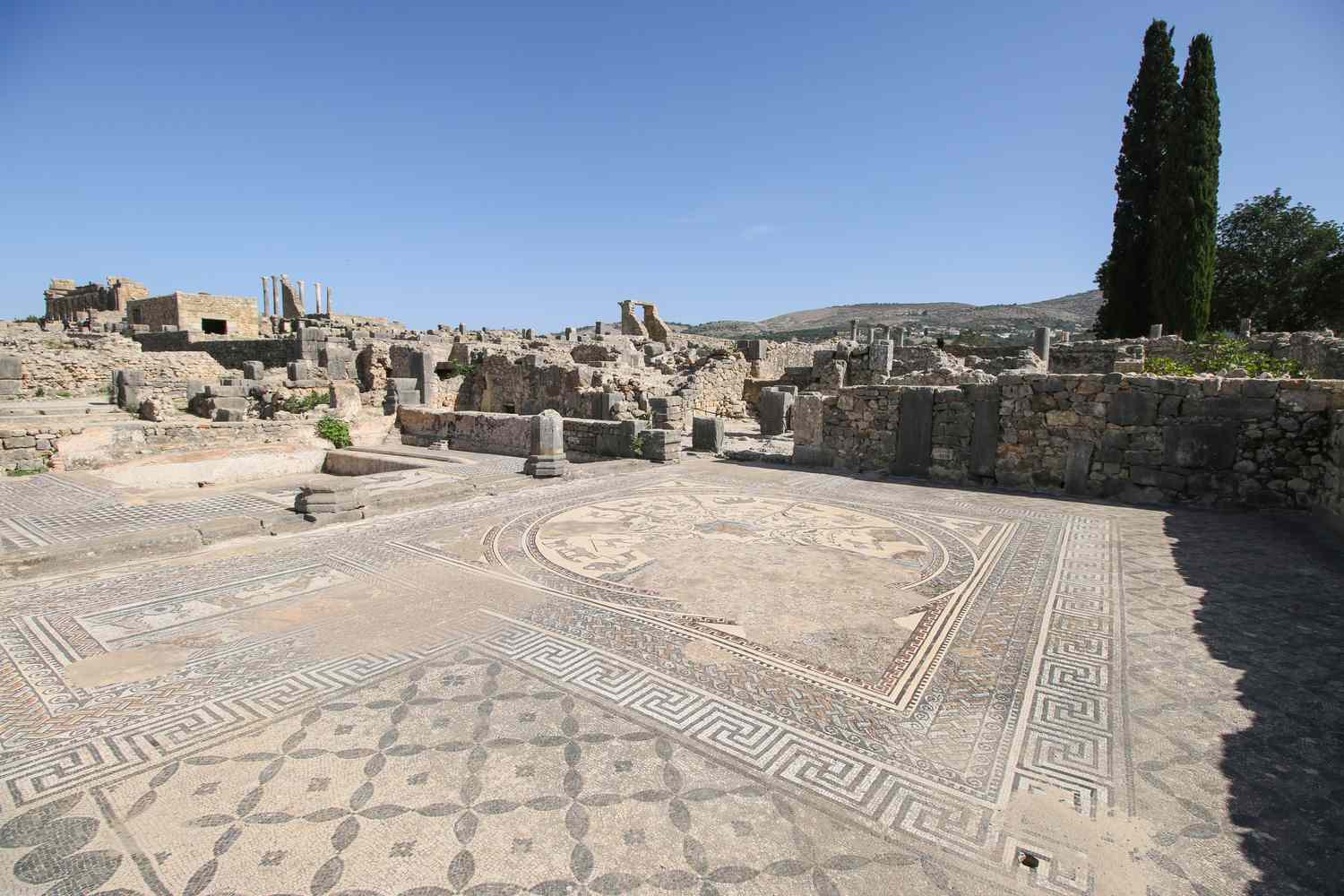
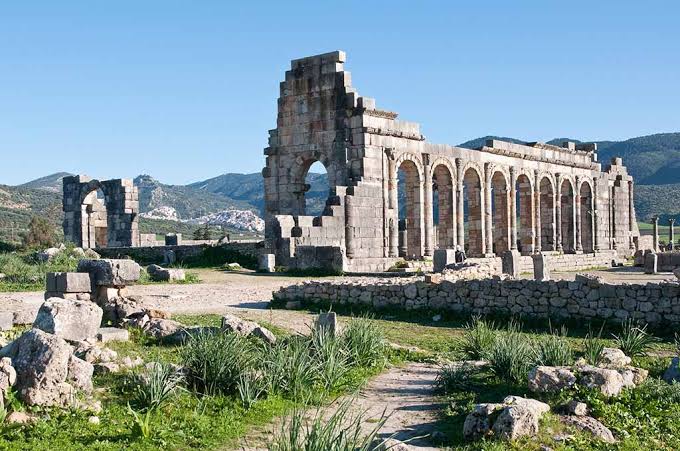
Then, continue to Volubilis, one of the best-preserved Roman archaeological sites in Morocco and a UNESCO World Heritage Site. Once an important Roman outpost, Volubilis is known for its remarkably preserved mosaics and ancient columns. Walking through the ruins gives a very different perspective on Morocco.
Finally, continue your drive to Fes, the spiritual and cultural heart of Morocco. Upon arrival, transfer to your accommodation. Rest up and prepare for a deeper exploration of Fes the following day.
Overnight stay: Traditional riad in Fes
Today, a local guide will lead you through the heart of Fes, one of Morocco’s most captivating imperial cities. Walk through the walled streets of the medina, where centuries-old architecture and bustling souks fill the air with the scent of spices.
Then, visit the tomb of Moulay Idriss II, the city’s founder, and learn about its history, dating back to the 9th century. Explore the Bou Inania Medersa, a stunning theological school, and see the world-famous tanneries, where traditional leather-making continues much as it has for centuries.
Finally, discover artisan workshops, ceramic studios, and local markets along the way, offering insight into Fes’s living culture. In the evening, enjoy free time to relax, visit a traditional Hammam, or take part in a Moroccan cooking class.
Overnight stay: Traditional riad in Fes
After breakfast in Fes, your Morocco imperial cities tour heads south toward the iconic Sahara Desert. The journey winds through the scenic Middle Atlas Mountains, where cedar forests and occasional wild monkeys create a picture-perfect backdrop. Stop in Ifrane, often called “Moroccan Switzerland,” a mountain town famous for its European-style architecture.
Then, continuing south, pass through traditional Berber villages and the palm-filled Ziz Valley, a fertile oasis with date palms stretching toward the horizon. This route offers excellent photo opportunities and a real glimpse of rural Moroccan life.
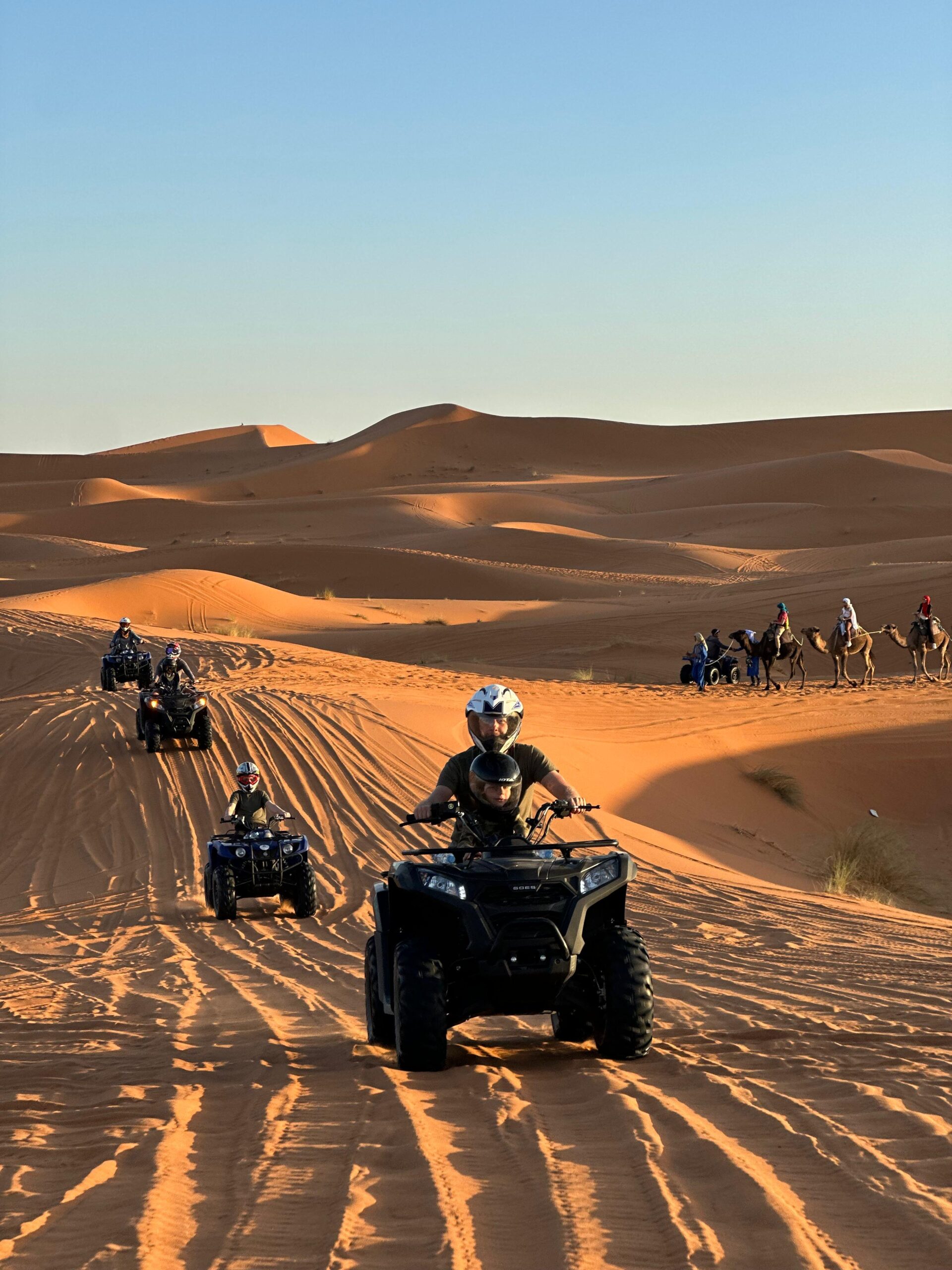
By late afternoon, arrive at Merzouga, the gateway to the legendary Erg Chebbi dunes. Here, embark on a camel trek into the dunes as the sun begins to set. Watch the sky turn warm shades of orange and pink over the rolling dunes.
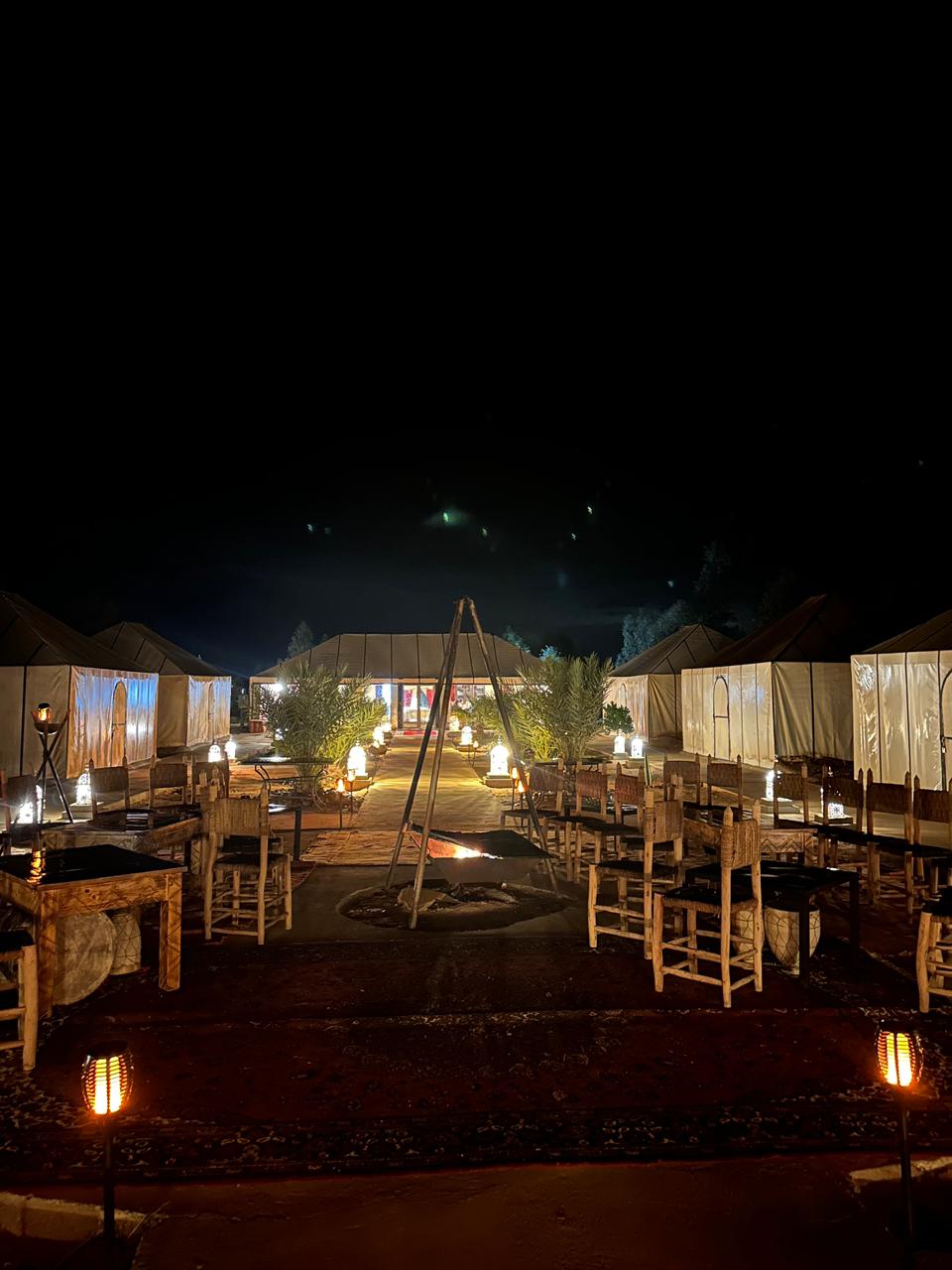
Finally, as night falls, arrive at your luxury desert camp. Relax and enjoy a traditional Moroccan dinner under the stars. Gather around the fire to listen to Berber music and soak in the desert’s peaceful silence.
Overnight stay: Luxury desert camp in Merzouga
First, wake up early to witness the sunrise over the Erg Chebbi dunes. The first light illuminates the golden sands. After breakfast at your desert camp, begin your journey back from the desert to civilization.
Your first stop is Rissani, a historic town near Merzouga, famous for its vibrant traditional souks. Explore the bustling marketplaces, where local merchants sell spices, dates, pottery, and handmade goods.
Then, travel west through the Draa Valley, a scenic oasis dotted with palm groves and mud-brick kasbahs. This fertile valley is one of Morocco’s most picturesque landscapes. Stop at key viewpoints to admire the valley’s lush greenery against the desert mountains.
Finally, continue your drive to Ouarzazate, known as the “Gateway to the Sahara.” It’s also a hub for Morocco’s film industry, with kasbahs that have appeared in films such as Gladiator and The Mummy. Check into your accommodation and enjoy the evening in this desert town.
Overnight stay: Riad or hotel in Ouarzazate
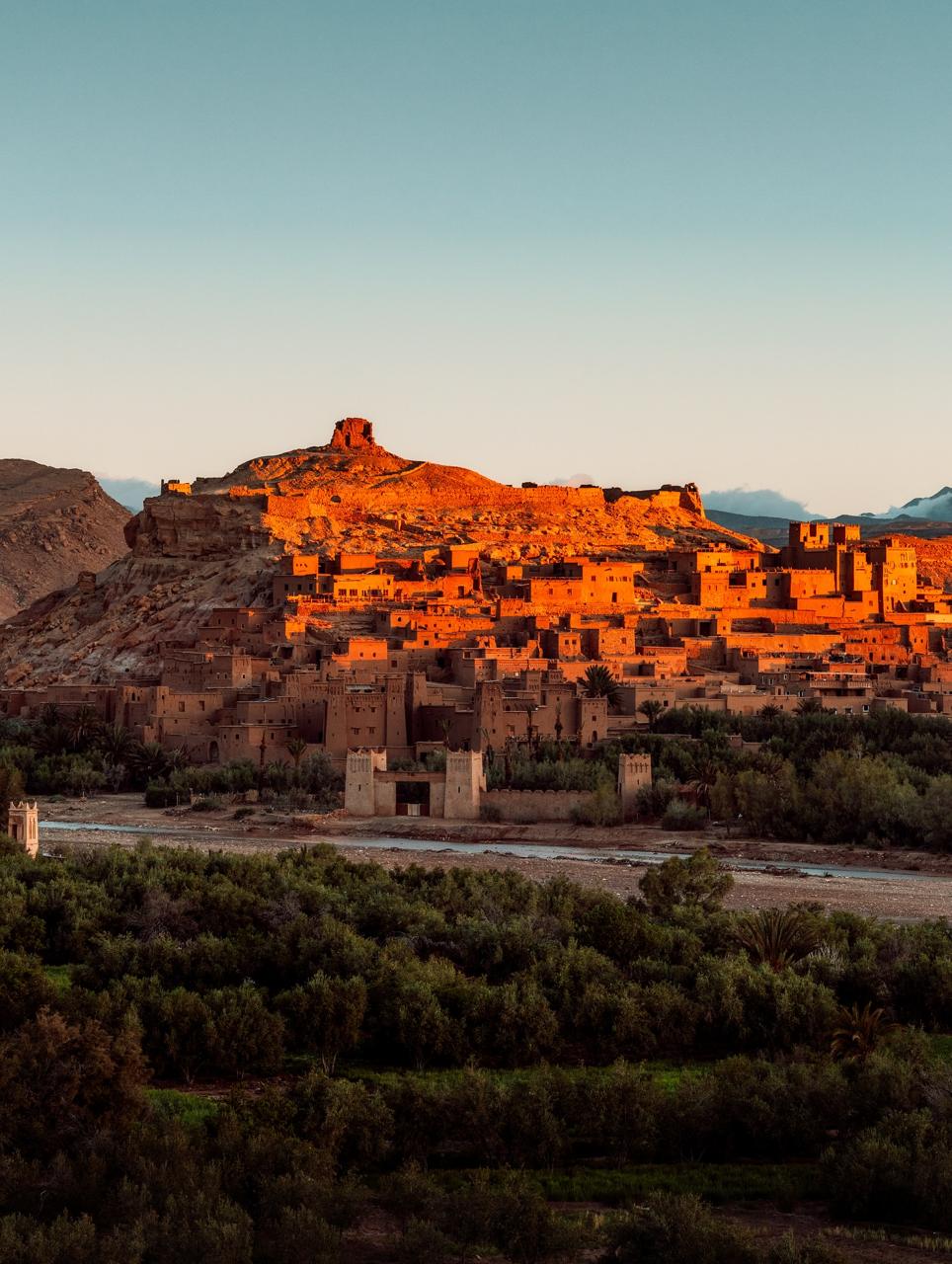
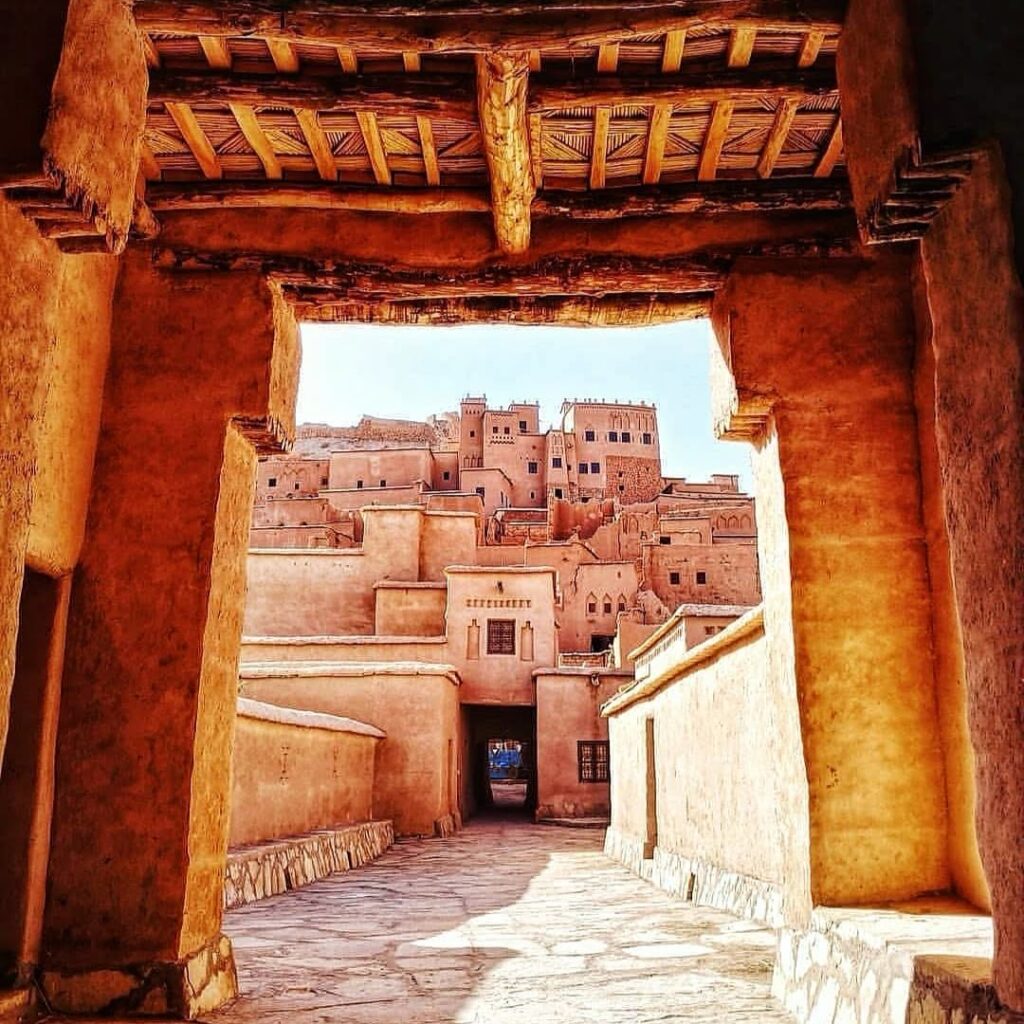
After breakfast in Ouarzazate, your journey continues to the legendary Ait Ben Haddou Kasbah, a UNESCO World Heritage site. It’s one of Morocco’s most iconic fortified villages. Stroll through its narrow, winding streets and admire the traditional mud-brick architecture. Climb to the top for panoramic views of the surrounding desert. This kasbah has been the backdrop for famous films, including Gladiator and Game of Thrones.
Then, continue your journey through the High Atlas Mountains via the famous Tizi n’Tichka Pass, the highest major mountain pass in North Africa. Along the way, enjoy spectacular landscapes of snow-capped peaks and small Berber villages perched on the hillsides.
Finally, by the afternoon, descend into the vibrant city of Marrakech, the Red City. It’s known for its bustling medina, colorful souks, and beautiful gardens. Check into your authentic riad and spend the evening soaking in the city’s lively energy. Wander through Jemaa el-Fnaa Square or relax at your riad after a day of unforgettable landscapes.
Overnight stay: Traditional riad in Marrakech
On your final day, discover the rich history and vibrant culture of Marrakech with a knowledgeable local guide. Begin by wandering the winding streets of the medina, where bustling souks and colorful textiles bring the city to life.
Then, visit the striking Koutoubia Mosque, the largest mosque in Marrakech. Explore the ornate Saadian Tombs and the exquisite Bahia Palace, showcasing Morocco’s royal architecture and craftsmanship.
Finally, stroll through lush gardens and artisan workshops, where traditional skills such as pottery and leatherwork are still practiced today. Take in the sights, sounds, and flavors of the city on your last day in Morocco.
In the evening, transfer to Marrakech Menara Airport for your departure. You’ll carry with you unforgettable memories from this Morocco imperial cities tour, a week immersed in history and authentic culture.
This Morocco imperial cities tour is fully supported from arrival to departure.
End of tour with Navigate Morocco
Q1: Is this a private tour or a group tour? This Morocco imperial cities tour can be arranged as a private tour for your group. It can also run as a shared small-group tour, depending on your preference.
Q2: What level of fitness is required? The tour involves moderate walking in city medinas, kasbahs, and desert dunes. Comfortable shoes are recommended.
Q3: Can the itinerary be customized? Yes. We can adjust the tour duration, cities, or activities to suit your schedule and interests.
Q4: When is the best time to visit the Sahara Desert? The best time is during spring (March–May) and autumn (September–November), for mild temperatures and clear skies. Summers can be extremely hot, while winters can be cold at night in the desert.
Q5: Are meals included? Breakfast is included daily, as well as the traditional dinner at the desert camp. Other meals can be arranged upon request or enjoyed at local restaurants.
Q6: Will I need a visa? Visa requirements depend on your nationality. Many travelers can enter Morocco visa-free for short stays, but it’s best to check with your local consulate.