
Early departure from Fes, typically around 7 in the morning, heading northwest through the Saiss Plain before the road begins to climb into the Rif Mountains. The landscape changes significantly as you gain altitude, the fields giving way to forested hillsides and mountain villages, and the air becoming noticeably cooler and cleaner. Arrive in Chefchaouen approximately two and a half hours after departure.
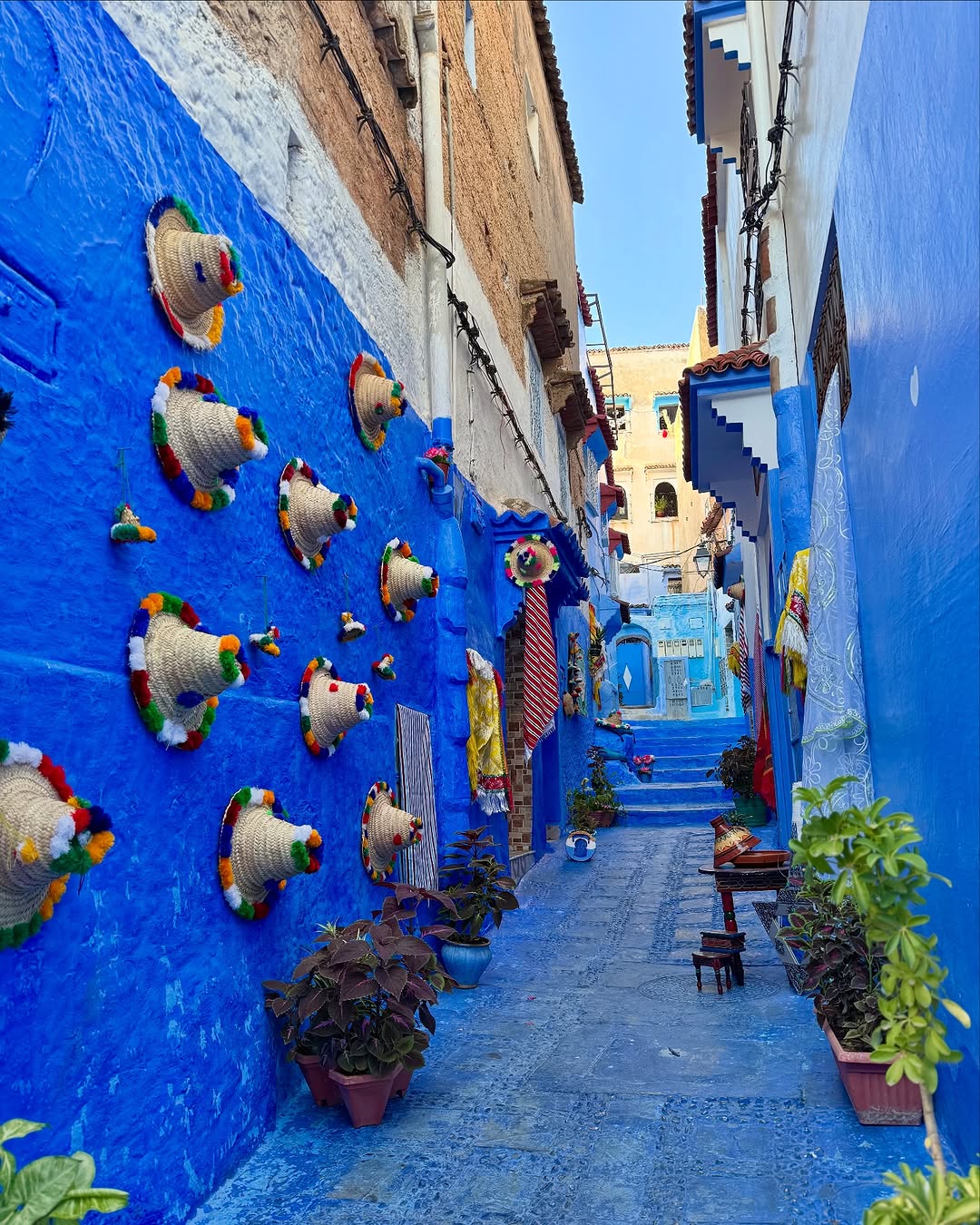
Begin exploring the medina immediately after arrival to make the most of the morning light. Your guide will lead you through the most photogenic parts of the blue alleyways, explain the history of the town and why it was painted blue (theories range from Jewish tradition to simple practicality of keeping mosquitoes away), and introduce you to local artisan workshops where handwoven wool blankets and leather slippers are made using traditional methods.
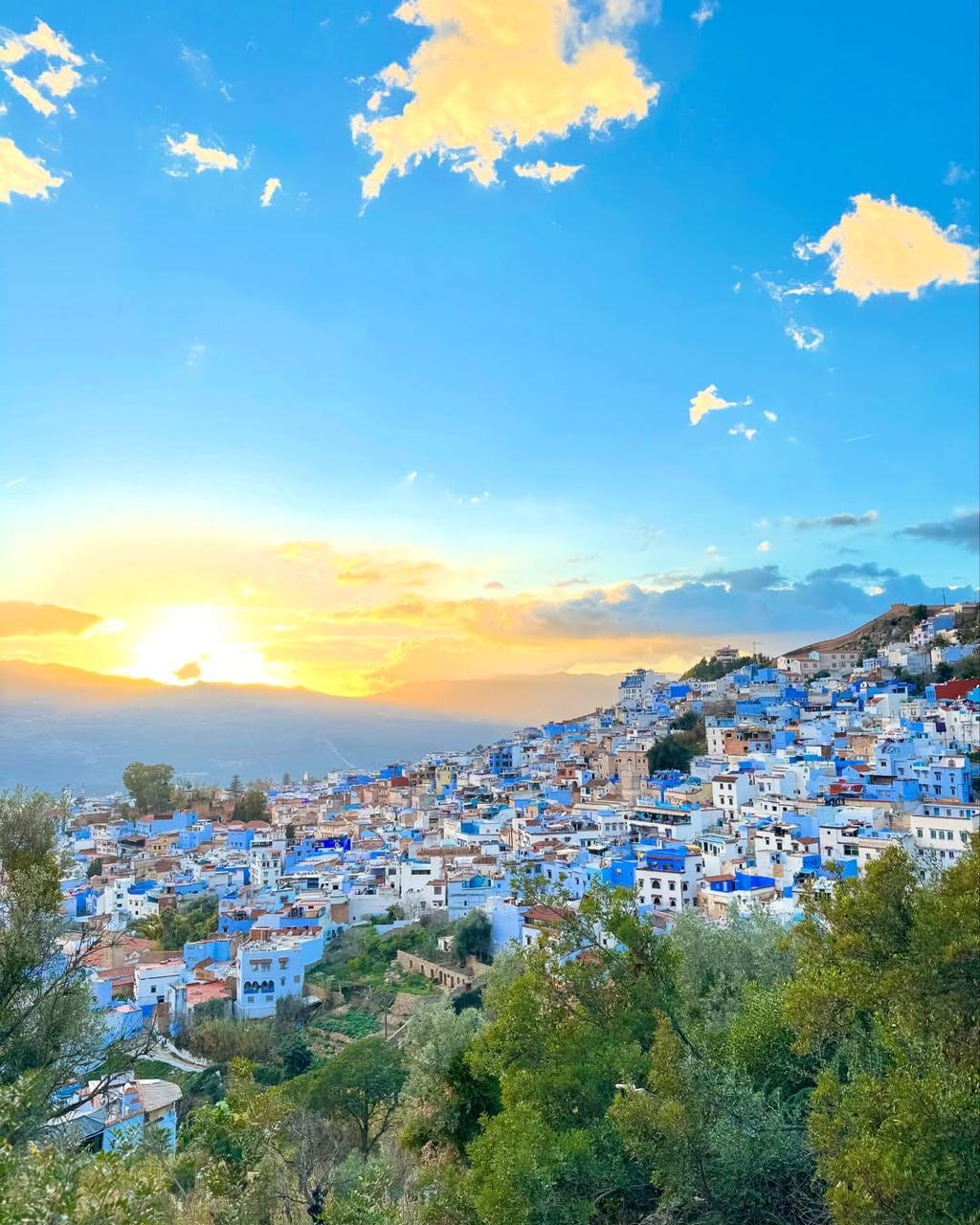
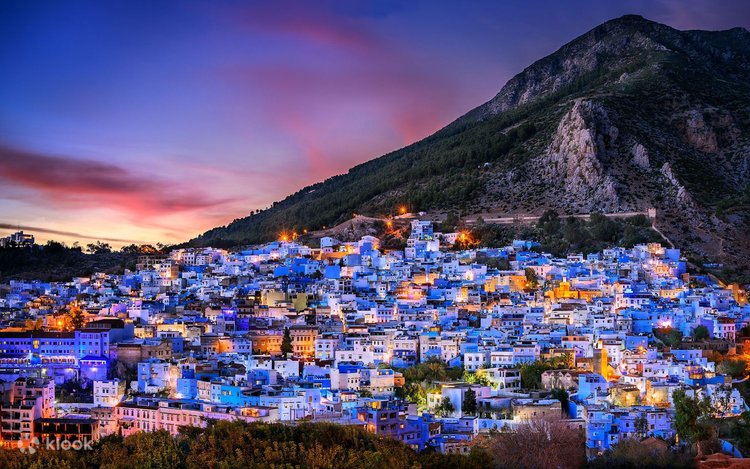
Visit Outa el Hammam Square, the main square of the medina, for a coffee before continuing to the kasbah and the upper parts of the town. The walk up to the Spanish Mosque, a 20-minute climb above the medina, rewards you with one of the best panoramic views in northern Morocco, the blue rooftops below framed by the green Rif peaks on all sides. Lunch at a rooftop restaurant in the medina with mountain views, followed by free time to wander and shop before the return drive to Fes, arriving in the early evening.
Meals included: Lunch
Is Chefchaouen possible as a day trip from Fes?
Yes but it requires an early departure, typically around 7am, to allow enough time in the town and a comfortable return. If you want to experience Chefchaouen properly and at a relaxed pace, an overnight stay is always preferable. Navigate Morocco can arrange this as an overnight extension.
Why are the streets of Chefchaouen painted blue?
Several explanations exist. The most widely accepted is that the blue paint was introduced by Jewish refugees who settled in the town in the 15th century, for whom blue represented heaven and divinity. Others suggest it was painted blue to keep mosquitoes away. The tradition has been maintained and expanded over centuries and today covers virtually every surface of the medina.
Is the hike to the Spanish Mosque difficult?
The path is a 20 to 30 minute uphill walk on a well-worn rocky trail. It is moderate and accessible for most travelers in reasonable health. The views from the top are worth the effort and it is best done in the late afternoon when the light on the blue medina is at its most beautiful.
What is the best time to visit Chefchaouen?
Early morning is the best time to be in the medina, before tour groups arrive and while the light is soft and directional. The town is at its most peaceful before 9am and again after 5pm when day visitors leave. Spring and autumn offer the most pleasant temperatures.
Can I buy authentic Chefchaouen crafts?
Yes. The town is known for its handwoven wool blankets and djellabas, leather goods, and locally produced goat cheese. Your guide will point you toward genuine artisan workshops rather than the tourist-facing souvenir shops near the main square.