
Departure from Tangier in the morning, heading south along the Atlantic coast road through Asilah before continuing to Larache. The full drive takes around one and a half hours and the road follows the coastline for much of the way, with views of the Atlantic on the right and open farmland on the left. Arrive in Larache mid-morning.
Departure from Tangier in the morning, heading south along the Atlantic coast road through Asilah before continuing to Larache. The full drive takes around one and a half hours and the road follows the coastline for much of the way, with views of the Atlantic on the right and open farmland on the left. Arrive in Larache mid-morning.
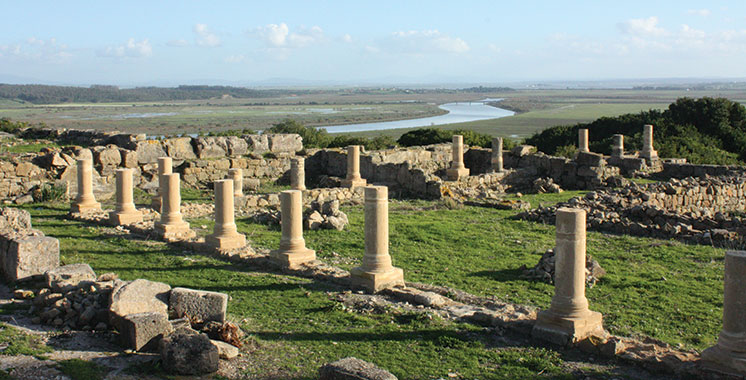
From Larache, drive a short distance to the hill of Lixus, where the ancient ruins occupy a commanding position above the estuary. The site is rarely crowded and the absence of large tour groups makes it possible to explore slowly and quietly. The Roman ruins include a large amphitheater, mosaic floors, baths, and the remains of a factory that produced garum, the fermented fish sauce that was one of the most prized commodities in the Roman world. The views from the hilltop over the river estuary and the Atlantic are among the most beautiful of any ancient site in Morocco. Lunch of fresh seafood in Larache before the return drive to Tangier.
Meals included: Lunch
How old is Lixus?
Lixus is one of the oldest known inhabited sites in Morocco. Phoenician traders are believed to have established a trading post here as early as the 12th century BC, making it over three thousand years old. Carthaginian and later Roman occupation followed, and the site was continuously inhabited until the Arab conquest in the 7th century AD.
How does Lixus compare to Volubilis?
Volubilis is larger, better preserved, and more visited. Lixus is smaller, less complete, and almost entirely off the standard tourist circuit. What Lixus has that Volubilis does not is an extraordinary setting above the river estuary, a much older history going back to the Phoenicians, and the experience of having an ancient site almost entirely to yourself. They are very different visits and both worthwhile.
What is the character of Larache as a town?
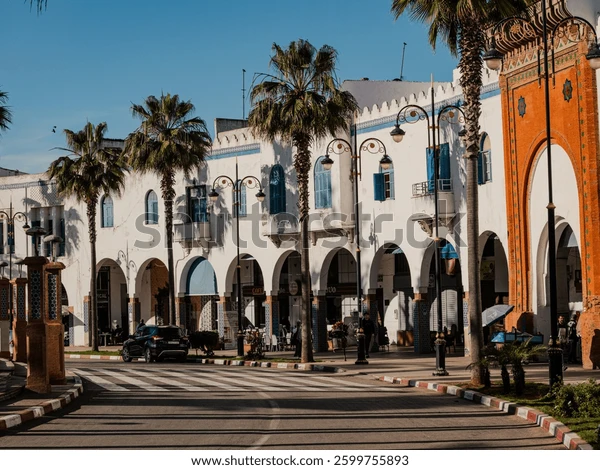
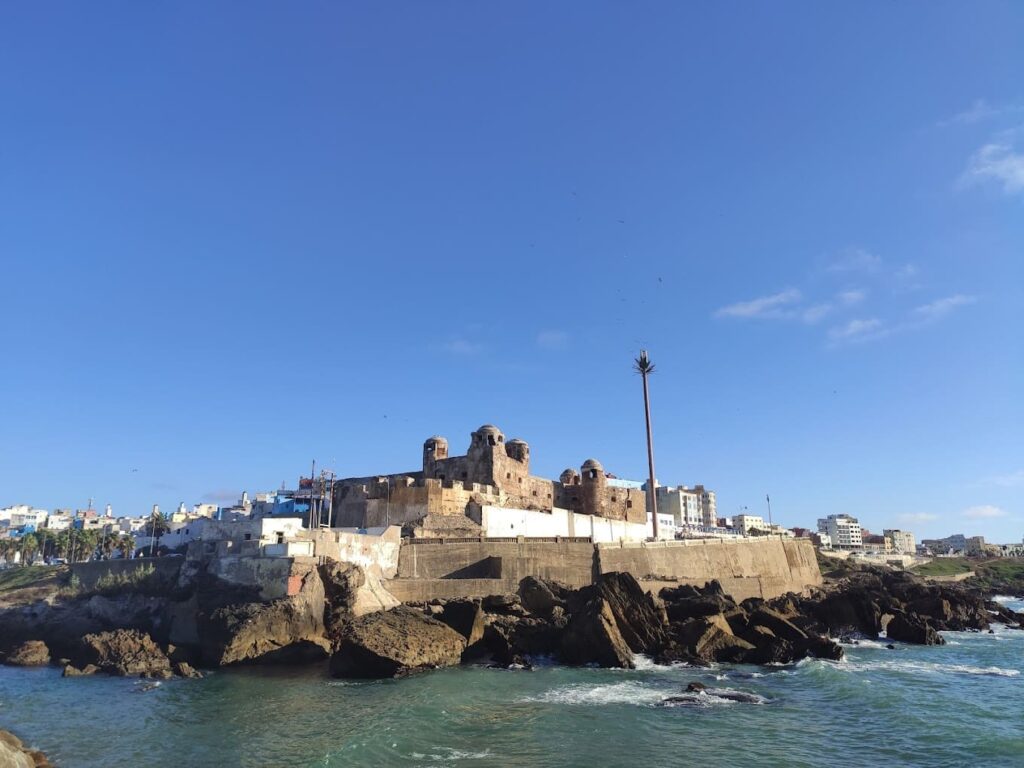
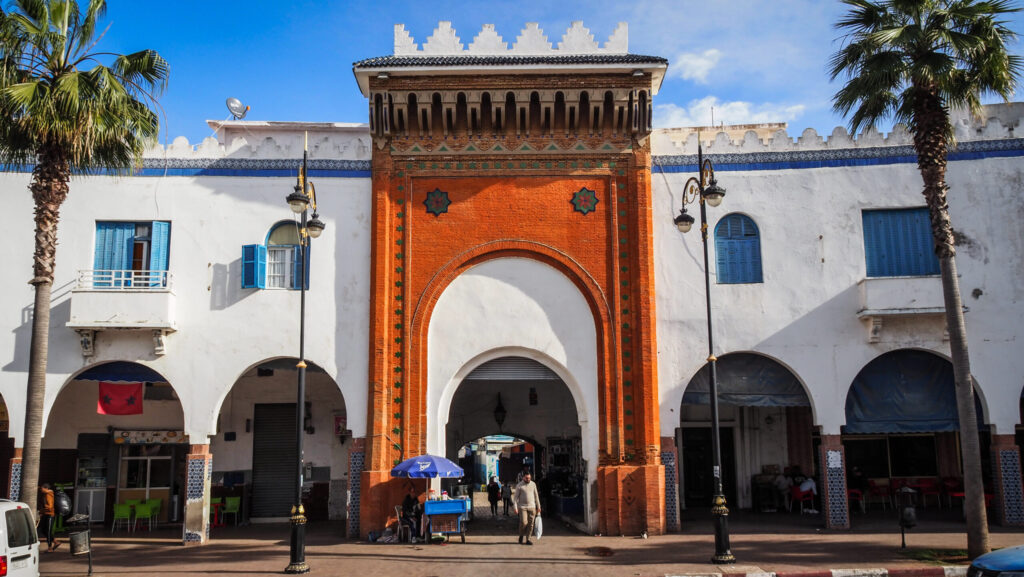
Larache has a genuinely relaxed and local character that is refreshing after the more tourist-oriented northern cities. The Spanish colonial architecture in the town center, the active fishing port, and the absence of organized tourism give it an authentic everyday quality. The seafood here is excellent and inexpensive by Moroccan standards.
Is the writer Jean Genet buried in Larache?
Yes. The French writer Jean Genet, who spent his later years in Morocco and had a deep connection with Larache, is buried in the Spanish cemetery on the cliff above the town. It is a modest and atmospheric spot and worth a brief visit for anyone with an interest in literary history.
Can this day trip be combined with a stop in Asilah?
Yes. Asilah is directly on the route between Tangier and Larache and a short stop there can easily be incorporated into the day. Navigate Morocco can adjust the timing to allow a 45-minute walk through the Asilah medina on the way south.