
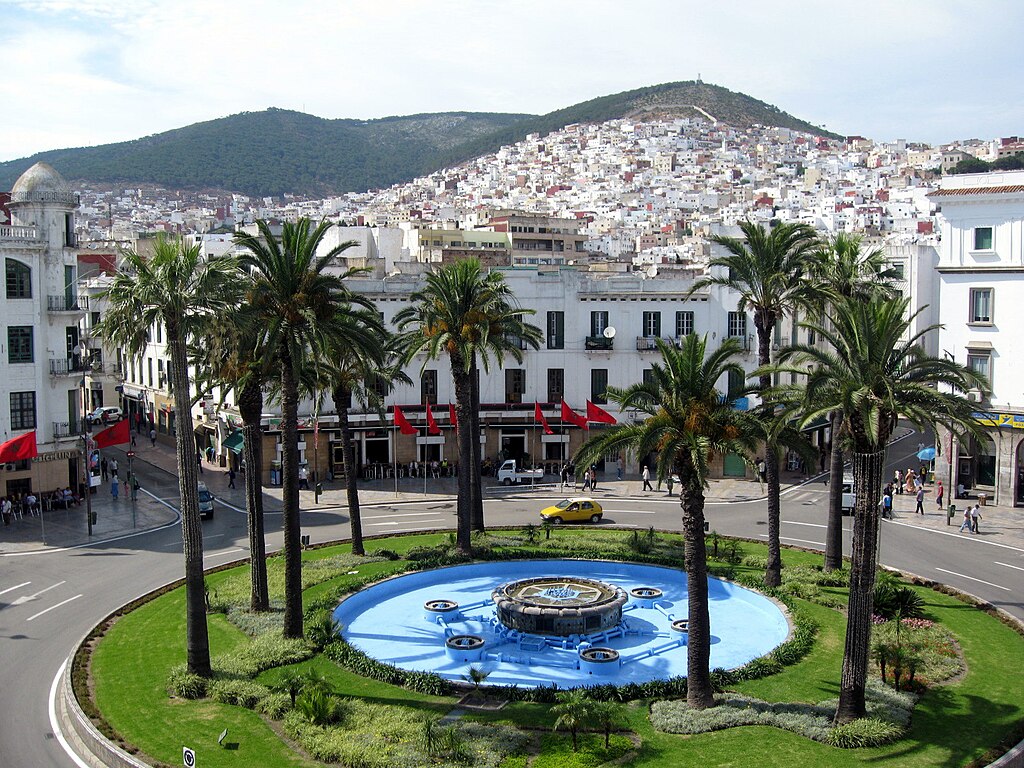
Departure from Tangier in the morning, heading southeast along the coast and then inland toward Tetouan. The drive takes around one hour and passes through the fertile Martil Valley before arriving at the city. Tetouan sits at the foot of the Rif Mountains and the approach from the north offers a striking view of the white medina against the green hillside.
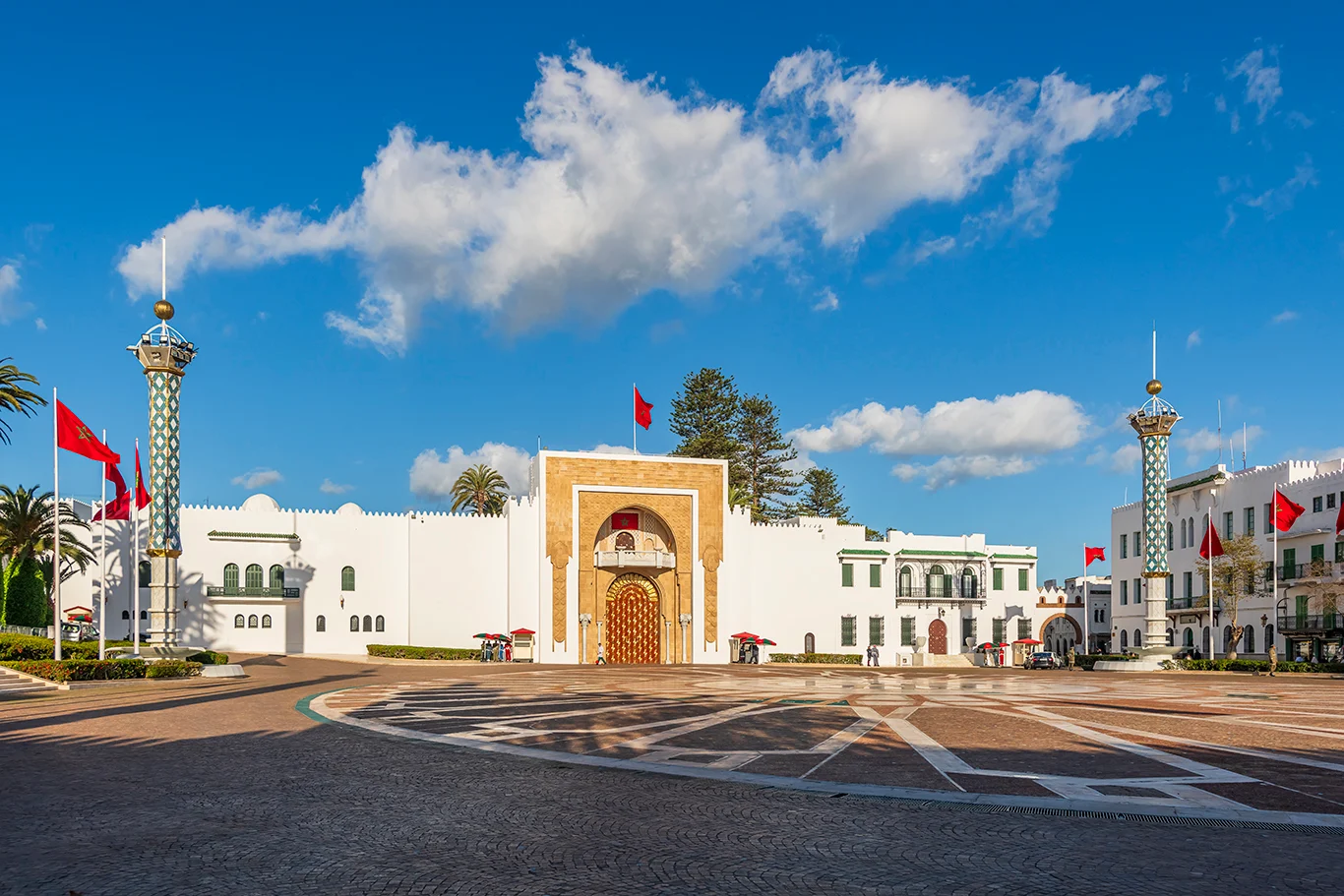
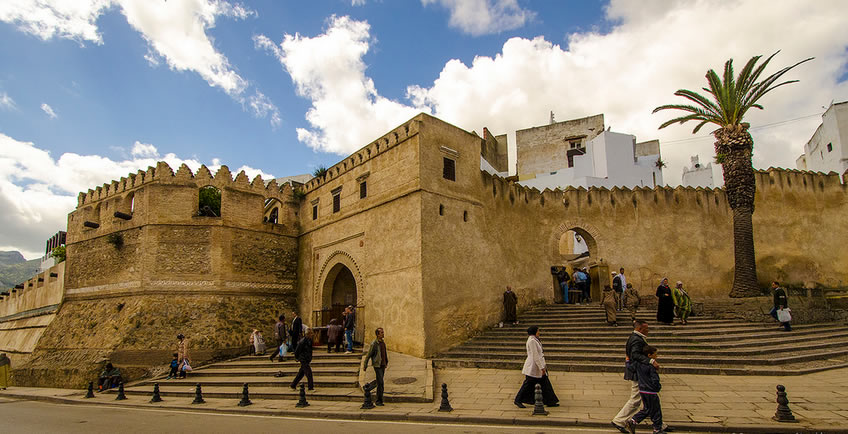
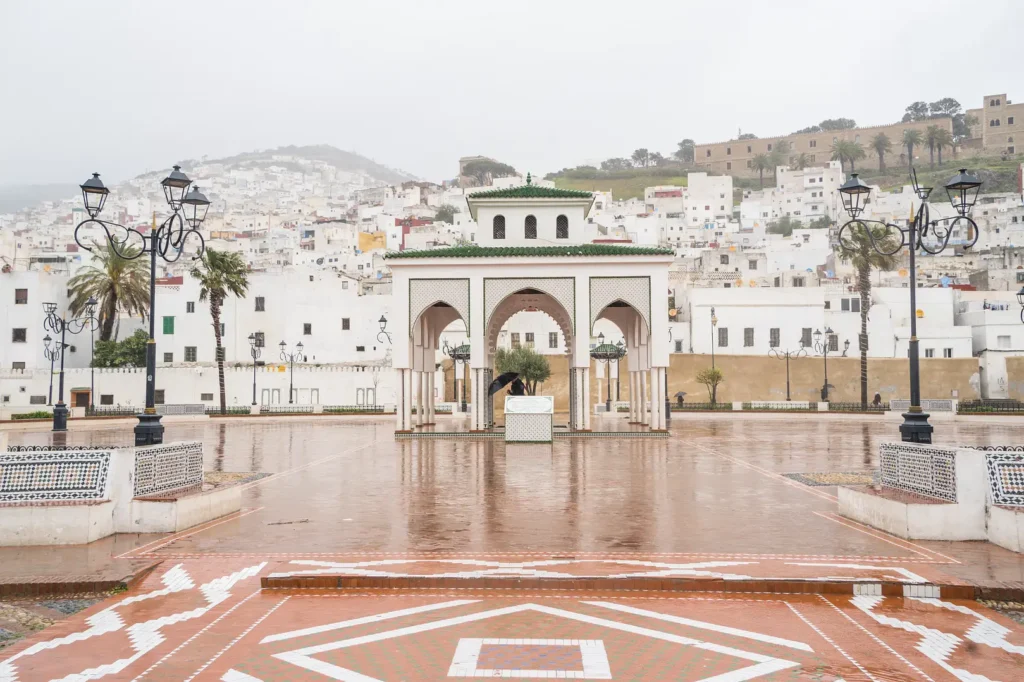
Begin at Hassan II Square, the main public square adjacent to the Royal Palace, and enter the medina through one of the historic gates. Your guide will lead you through the covered souks, where the organization by craft and trade reflects the medieval urban planning of the Andalusian city that the founders of Tetouan were trying to recreate in their new home. The medina is well-preserved and less congested than Fes, making it easier to appreciate the architecture and the daily life that continues within its walls.
Visit the Artisan School of Tetouan, one of the most important craft education institutions in Morocco, where students learn traditional skills including zellige tilework, plasterwork, woodcarving, and embroidery in the same workshops that have trained craftsmen for generations. The Tetouan Archaeological Museum, near the medina entrance, houses a significant collection of Roman and pre-Islamic artifacts from the northern region. Lunch in the medina is followed by free time to explore or shop before the return drive to Tangier.
Meals included: Lunch
Why is Tetouan not better known among tourists?
Tetouan tends to be overlooked in favor of Chefchaouen, which is more visually dramatic and better marketed internationally. This works in the visitor’s favor. Tetouan’s medina is less crowded, more authentic in its daily life, and architecturally fascinating in ways that reward a slower and more attentive visit.
What makes Tetouan’s architecture different from other Moroccan cities?
The Andalusian influence is the key difference. The facades of the houses in Tetouan’s medina are more ornate and outward-facing than in most Moroccan cities, where beauty is traditionally reserved for the interior courtyard. The tiled lower sections of the walls, the wooden balconies, and the layout of the streets all reflect a Hispano-Moorish tradition that was brought from Granada and Cordoba by the city’s founders.
Is Tetouan safe to visit?
Yes. Tetouan is a normal Moroccan city and is safe for visitors. As with any medina, it is advisable to visit with a guide, particularly on a first visit, to navigate confidently and avoid the areas where unsolicited guides tend to approach tourists.
Can this be combined with a visit to the nearby coast?
Yes. The towns of Martil and Cabo Negro on the Mediterranean coast are just 10 to 15 kilometers from Tetouan and offer pleasant beach stops on the return to Tangier. Navigate Morocco can build this into the day itinerary if you would like coastal time alongside the city visit.
Is the Artisan School open to visitors?
Yes. The Artisan School of Tetouan welcomes visitors and it is one of the more genuinely educational stops on any northern Morocco itinerary. Watching students practice zellige cutting, plasterwork carving, and embroidery in a working school environment is a different experience from seeing the finished products in a souvenir shop.