
Early departure from Tangier, typically around 7 in the morning, to maximize time in Chefchaouen. The drive south through the Rif Mountains takes around two hours on a road that climbs steadily through forested hillsides, Berber villages, and increasingly dramatic mountain scenery. Arrive in Chefchaouen mid-morning.
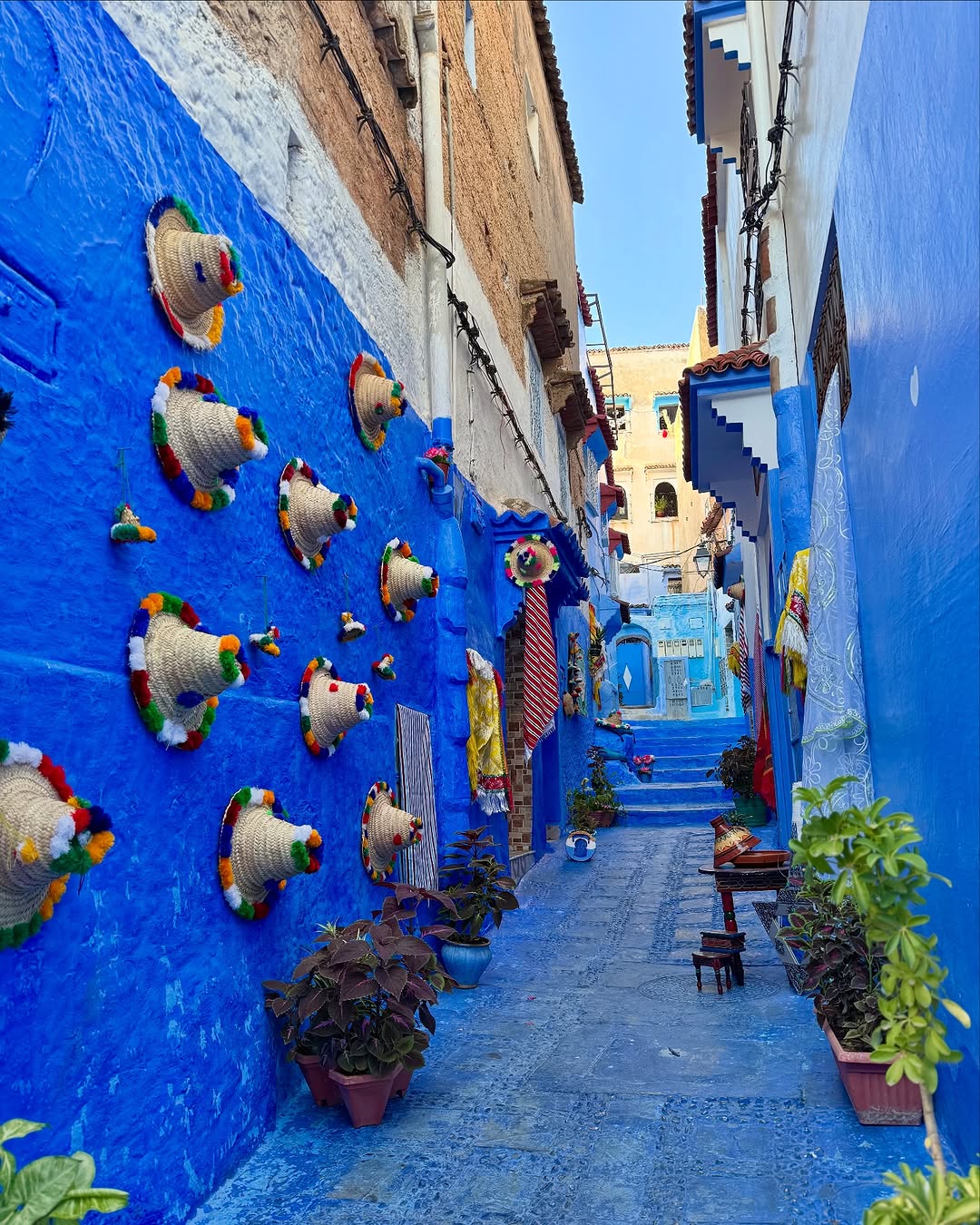
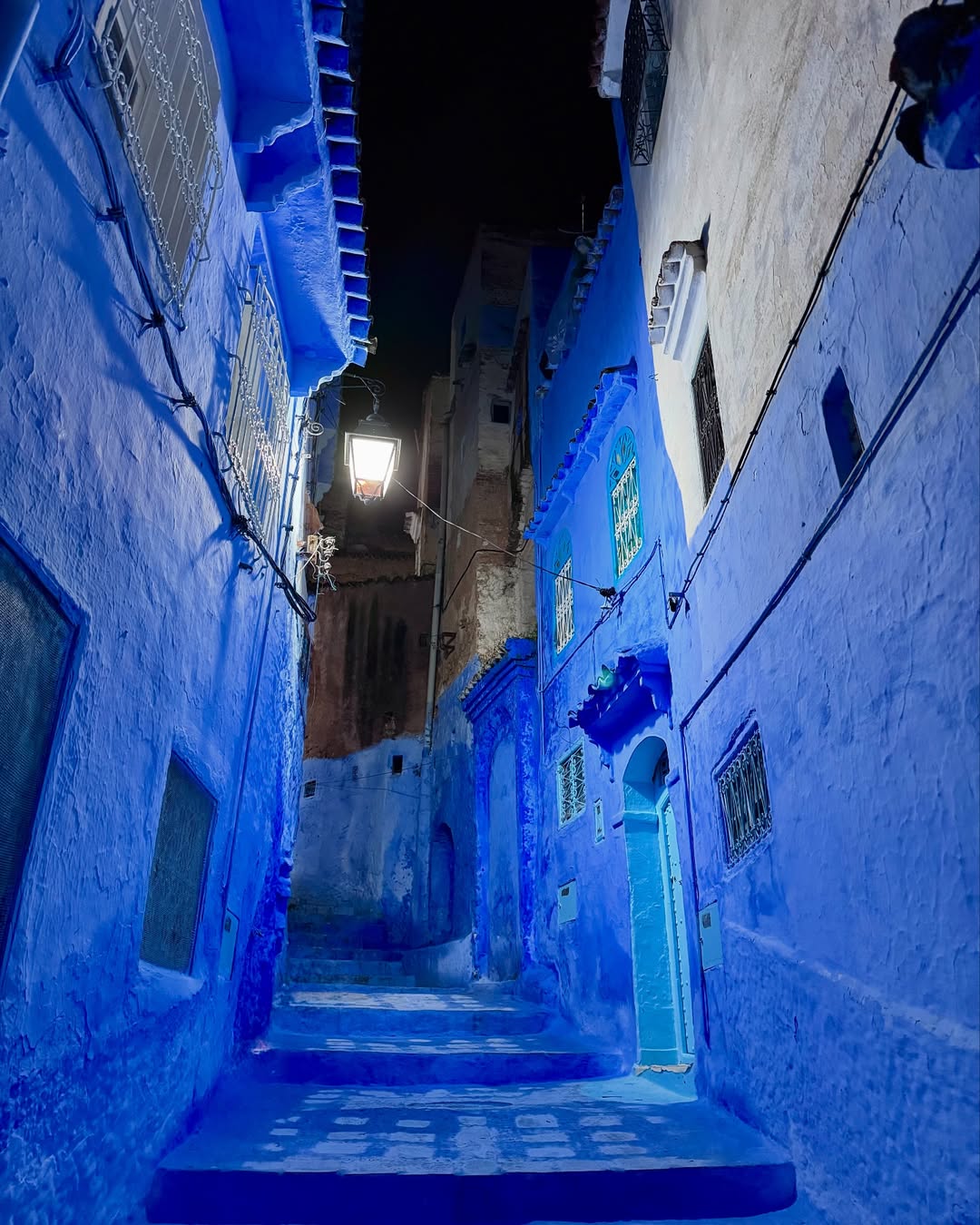
The first hour in the medina is the best of the day. With your guide, walk through the most photogenic quarters of the blue alleyways before the organized tour groups arrive and the main streets become busy. The medina is built on a slope and the stepped alleyways between the houses offer constantly changing views of blue walls, terracotta pots, and the mountain peaks above. Your guide will take you through the history of the town, explain the tradition behind the blue paint, and introduce you to local artisan workshops.
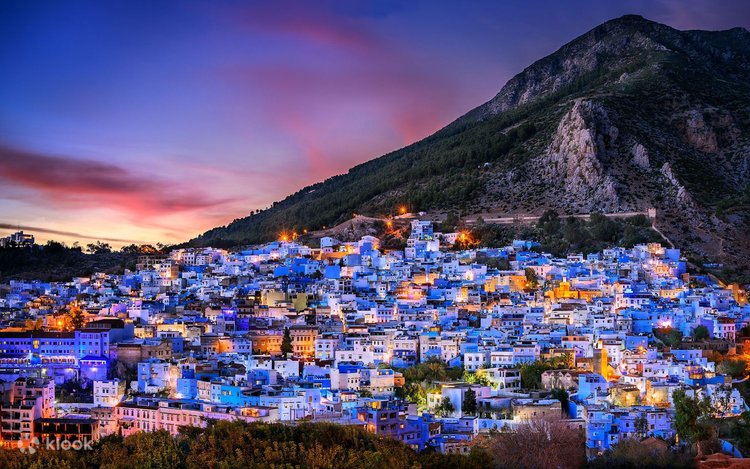
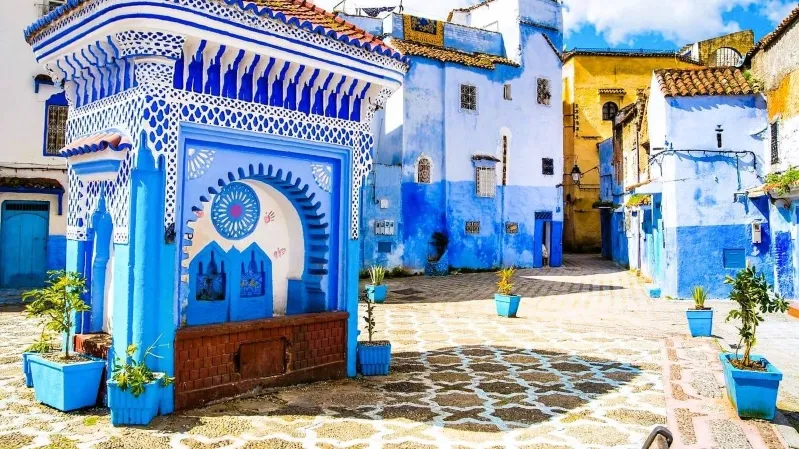
Visit Outa el Hammam Square for a coffee and to watch the morning life of the town before continuing to the kasbah, the small fortress at the heart of the medina that now houses a modest but worthwhile museum of local history and ethnography. The walk up to the Spanish Mosque above the town takes around 20 to 30 minutes on a well-worn path and the views from the top, with the blue medina spread below and the Rif Mountains rising on all sides, are among the best in northern Morocco. Lunch at a rooftop restaurant, free time in the afternoon for shopping and further exploration, then departure for Tangier arriving in the early evening.
Meals included: Lunch
How long is the drive from Tangier to Chefchaouen?
The drive takes approximately two hours each way. An early departure of around 7am allows for a full morning and afternoon in Chefchaouen with a comfortable return to Tangier by early evening.
Is an overnight stay better than a day trip?
If your schedule allows it, yes. Staying overnight means you can experience the town in the early morning before any visitors arrive and at dusk when the light on the blue walls is most beautiful. Navigate Morocco can arrange accommodation in Chefchaouen as part of a longer northern Morocco itinerary.
Why is Chefchaouen painted blue?
The most widely accepted explanation is that the blue tradition was introduced by Jewish refugees who settled in Chefchaouen in the 15th century, for whom blue represented the divine and the heavens. The tradition has been maintained and expanded over centuries and today covers virtually every surface of the medina.
What should I buy in Chefchaouen?
The town is particularly known for its handwoven wool blankets and djellabas, leather goods including slippers and bags, and locally produced goat cheese. Your guide will help you find genuine artisan products rather than mass-produced tourist items.
Is the hike to the Spanish Mosque worth doing?
Yes, without question. The walk takes 20 to 30 minutes uphill but the panoramic view of the blue medina from above, framed by the Rif Mountains, is one of the most photographed and genuinely beautiful viewpoints in Morocco. Go in the afternoon when the light falls directly onto the blue rooftops.