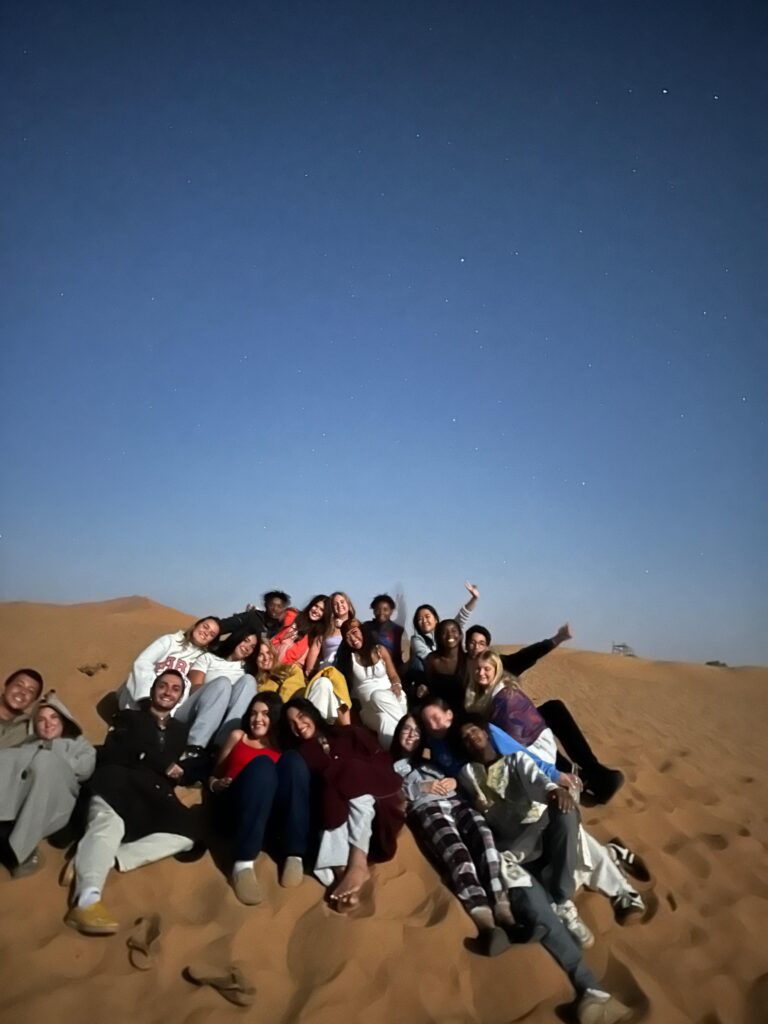
Morocco keeps showing up on every “where to go in your twenties and thirties” list. Morocco in your 20s hits a sweet spot that few other destinations manage. It’s close enough to Europe for a short flight. It’s cheap enough to stretch a modest budget. And it’s varied enough that a single trip can cover medieval cities, mountain villages, and a night in the Sahara without feeling rushed.
This guide covers what actually matters for Morocco in your 20s. Think real costs, safety, how to balance culture with a good night out, and which itineraries fit a trip of a week or two, rather than a semester abroad.
Why Morocco in Your 20s Works So Well
Overall, Morocco sits in a sweet spot. It’s affordable compared to most of Western Europe, but it doesn’t feel like a compromise destination. A week in Marrakech and the Sahara can cost less than a long weekend in a major European capital. Yet it delivers an experience that’s genuinely different from anywhere else within a short flight of Europe or the US East Coast.
Additionally, it also rewards both ends of the travel-style spectrum. You can spend a day deep in a 1,000-year-old medina. Then, that same evening, find a rooftop bar with a DJ and a skyline view. Few destinations let you swing between those two moods this easily.
What Morocco in Your 20s Actually Costs
Generally, budget varies a lot by style, but here’s a realistic range for 2026.
A private, guided week-long trip covering Marrakech, the Atlas Mountains, and the Sahara typically runs $600 to $1,200 per person. That depends on group size and accommodation level, and doesn’t include international flights. Typically, riads, traditional guesthouses, in Marrakech and Fes run $30 to $80 a night for a comfortable room. Street food, tagines, and casual restaurant meals rarely exceed $8 to $12 per meal, even in touristy areas.
Where costs jump: private desert camps, multi-day 4×4 excursions, and anything booked last-minute through a hotel concierge.
Safety, Honestly
Overall, Morocco is generally safe for young travelers, solo or in groups. Still, it makes sense to check current advisories before booking. Both the UK Foreign Office travel advice for Morocco and the US State Department Morocco travel advisory rate the country as safe for standard tourism. The usual caution applies, watch for petty theft in busy medinas, and stay alert on mountain roads.
Common sense goes a long way. Agree on prices before a taxi ride or a purchase. Keep valuables out of sight in crowded souks. Book desert excursions through an established operator, rather than someone who approaches you on the street. None of this is Morocco-specific advice. It’s the same caution worth applying in any unfamiliar city.
Culture and Nightlife, Not One or the Other
A lot of Morocco in your 20s content online splits into two extremes. Either a purely spiritual, mint-tea-and-medina experience, or a purely party-focused itinerary that skips the country’s actual character. The real trip sits in the middle, and Morocco makes that easy.
For instance, Marrakech has a genuine nightlife scene. Rooftop bars around the medina, live music venues, and beach clubs a short drive out toward Agafay all deliver that. Chefchaouen and Fes lean quieter and more contemplative. They’re better suited to slow mornings and long walks through the blue and white streets.
A Sahara camel trekking tour adds something neither city can. It’s a night genuinely off-grid, under a sky with none of the light pollution you’d get anywhere in Europe.
Balancing all three in one trip, rather than picking just one mode, is usually what makes a Morocco trip memorable. It tends to stick longer than a standard beach holiday would.
Group Trip or Solo?
Interestingly, both work well here, which isn’t true of every destination. Morocco has enough infrastructure, and enough English and French speakers in tourist areas, that solo travel is genuinely manageable. It also has enough cultural texture that a private small-group trip doesn’t feel watered down or generic.
For a first Morocco trip, a private guided itinerary with a small group of friends tends to hit the best balance. You get a driver who actually knows the roads through the Atlas Mountains and the Sahara. At the same time, you keep the flexibility to change plans, sleep in, or add an extra night somewhere that surprised you..
A Realistic 7-Day Itinerary for Morocco in Your 20s
For a trip that fits a standard vacation window, this structure covers the range without feeling rushed. Two days in Marrakech. A night in the Atlas Mountains or Ait Ben Haddou. Two days and a night in the Sahara Desert. Then a final stretch back through Marrakech, or on to Essaouira for a coastal close.
Our 7 day Morocco imperial cities tour follows a similar structure. It can be adjusted toward a younger group’s pacing, with later starts, more time built in for markets and cafes, and less museum-heavy scheduling.
Practical Tips Before You Go
First, pack layers. Marrakech and the coast run warm. But nights in the Atlas Mountains and the Sahara get genuinely cold, even in summer.
Bring cash in small denominations for markets and tips, since card acceptance is inconsistent outside hotels and larger restaurants. Also, download an offline maps app before arriving. Medina streets rarely show up cleanly on standard navigation apps, and WiFi inside old cities can be patchy.
Why This Trip Works at This Age
Ultimately, Morocco doesn’t ask you to choose between a meaningful trip and a fun one. In short, it’s affordable enough to travel without financial anxiety. It’s safe enough to explore with real freedom. And it’s varied enough that a group of friends with different travel styles can all get what they came for, in the same week.
If you’re planning a trip with friends or heading out solo, contact Navigate Morocco. We’ll build an itinerary around your actual pace, not a fixed template.
Morocco in Your 20s: Plan Your Trip With Navigate Morocco
Ready to turn this into a real trip? These private tours are a good place to start, and every itinerary can be adjusted to your dates and pace:
Morocco in Your 20s: Related Private Tours
Related private tours from Navigate Morocco: