
Imlil Morocco is a small High Atlas village at the end of the paved road, and it is the usual starting point for climbing Mount Toubkal and for easier valley walks. This Imlil guide covers the altitude, the villages and walks around it, the Toubkal base and how to reach it from Marrakech, so you can decide whether to give the mountains a day or two. For the climb itself, read our Toubkal climbing guide.
Imlil at a glance
According to Wikipedia, Imlil is a small village in the High Atlas in Al Haouz Province, at the end of the tarmac road, and a natural base for hiring mountain guides and mules for the trek to Jebel Toubkal, the highest peak in northern Africa. The page says about 90 percent of visitors head up Toubkal from here, and gives a population of 8,843 from the 2004 census. It gives the altitude as about 1,800 m with a citation-needed tag, while Journey Beyond and Easyvoyage both give 1,740 m, so we use 1,740 m.
Easyvoyage puts Imlil about 65 km from Marrakech and says you can hire a car or take a shared taxi that leaves from Bab Agnaou or Sidi Mimoun and departs only once full. Treat travel times as variable and confirm them before you go. See train vs bus vs rental car in Morocco for general options.
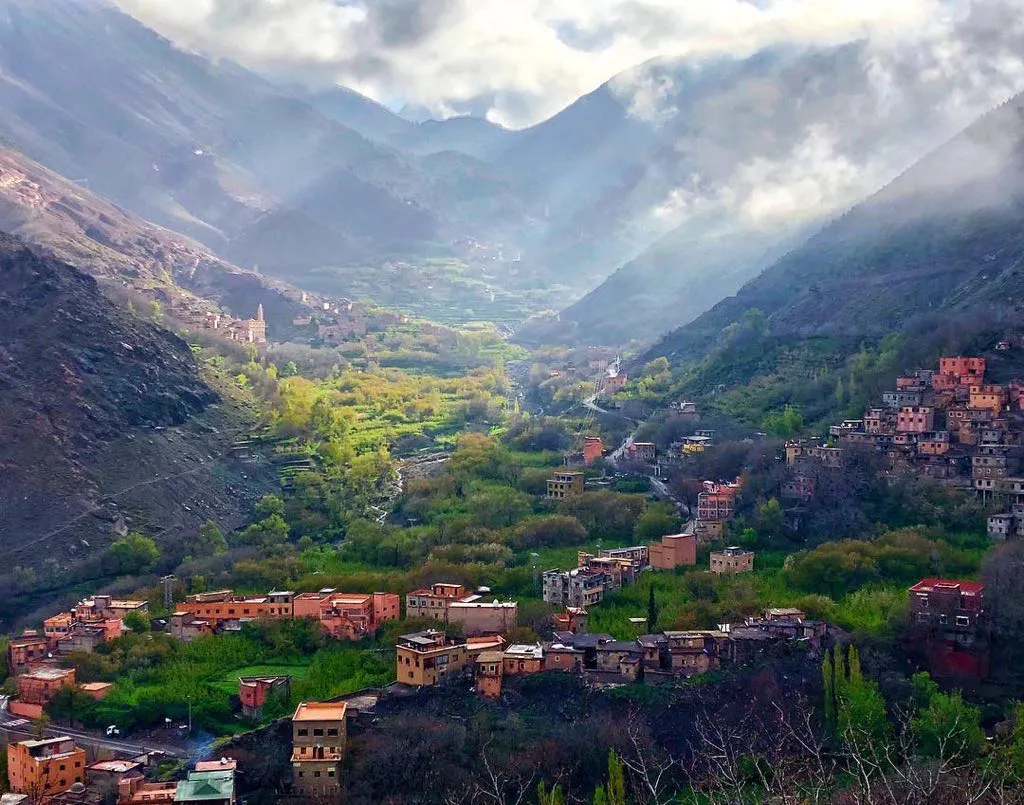
The villages and walks around Imlil
Journey Beyond lists seven small communities around Imlil, including Tamatert, Ait Souka, Tagadirt, Acheim, Taourirt n’Ait Mizane, Mzikene and Arhrene. Its walk suggestions include a short hike to the village of Aroumd, a half-day walk to Asni, Tachedderit as an alternative or addition to the Toubkal hike, the Kik Plateau in spring, and Lake Ifni as about a day’s trek. It also names Sidi Chamarouch, with a waterfall and a shrine that is closed to non-Muslims. Easyvoyage says the valley’s trails are easy but mostly unmarked, so take a guide or a good map.
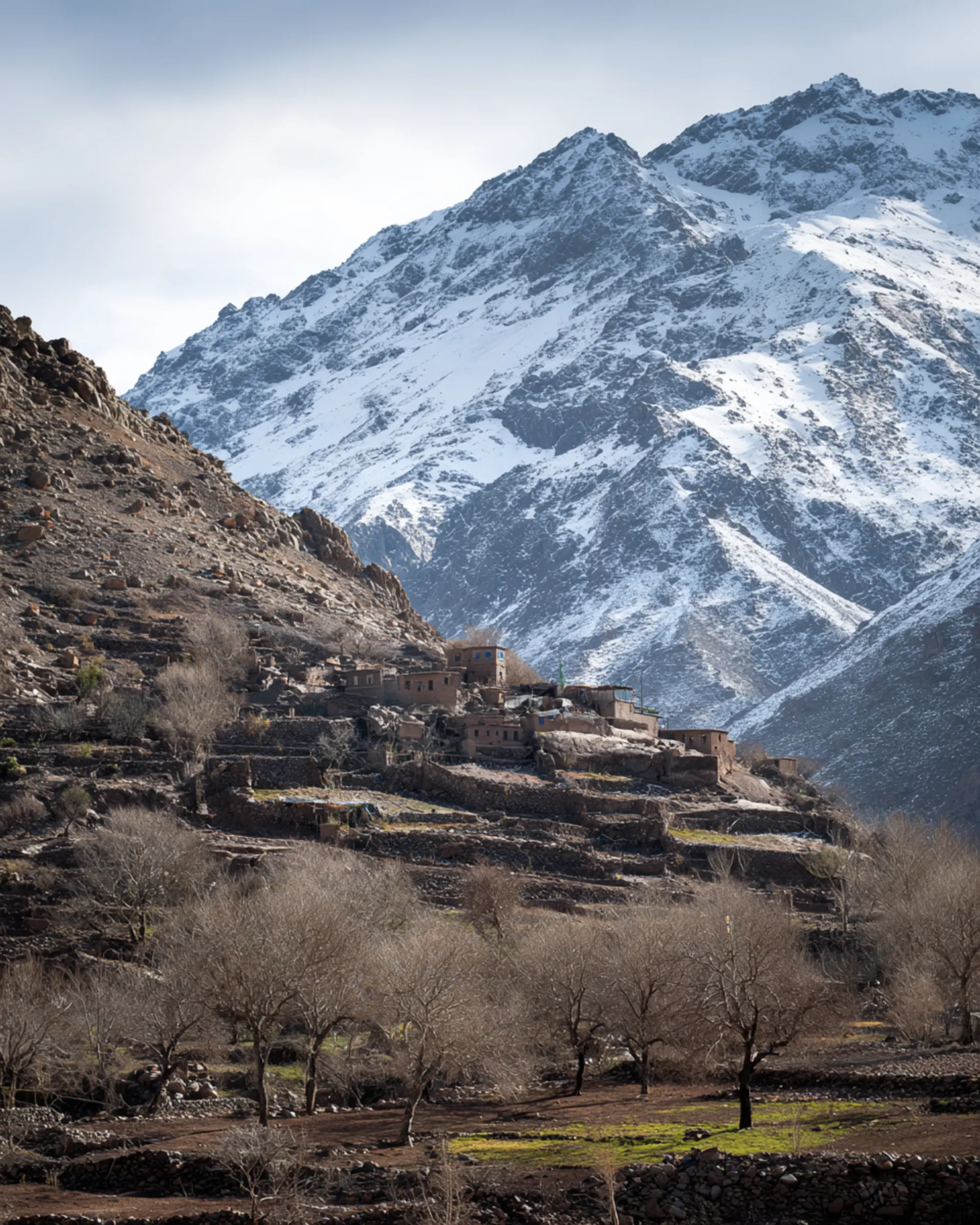
Journey Beyond adds that the local economy is based on walnuts, apples and cherries, with tourism now the main income. Its article dates from 2008 and was last modified in 2017, so check current accommodation and prices. For an overview of other mountain areas, see Morocco natural wonders and Ourika Valley.
Imlil as the Toubkal base
Easyvoyage says the Toubkal summit is 4,167 m, the round trip is about 22 km over two days with one night in a refuge, and the total ascent is about 2,300 m. It rates the difficulty as moderate, warns of possible altitude sickness above 3,000 m, says a local guide is mandatory with checkpoints along the route, and notes that crampons are needed in winter. Journey Beyond says hikers can climb at any time of year and gives July to September as the best hiking season.
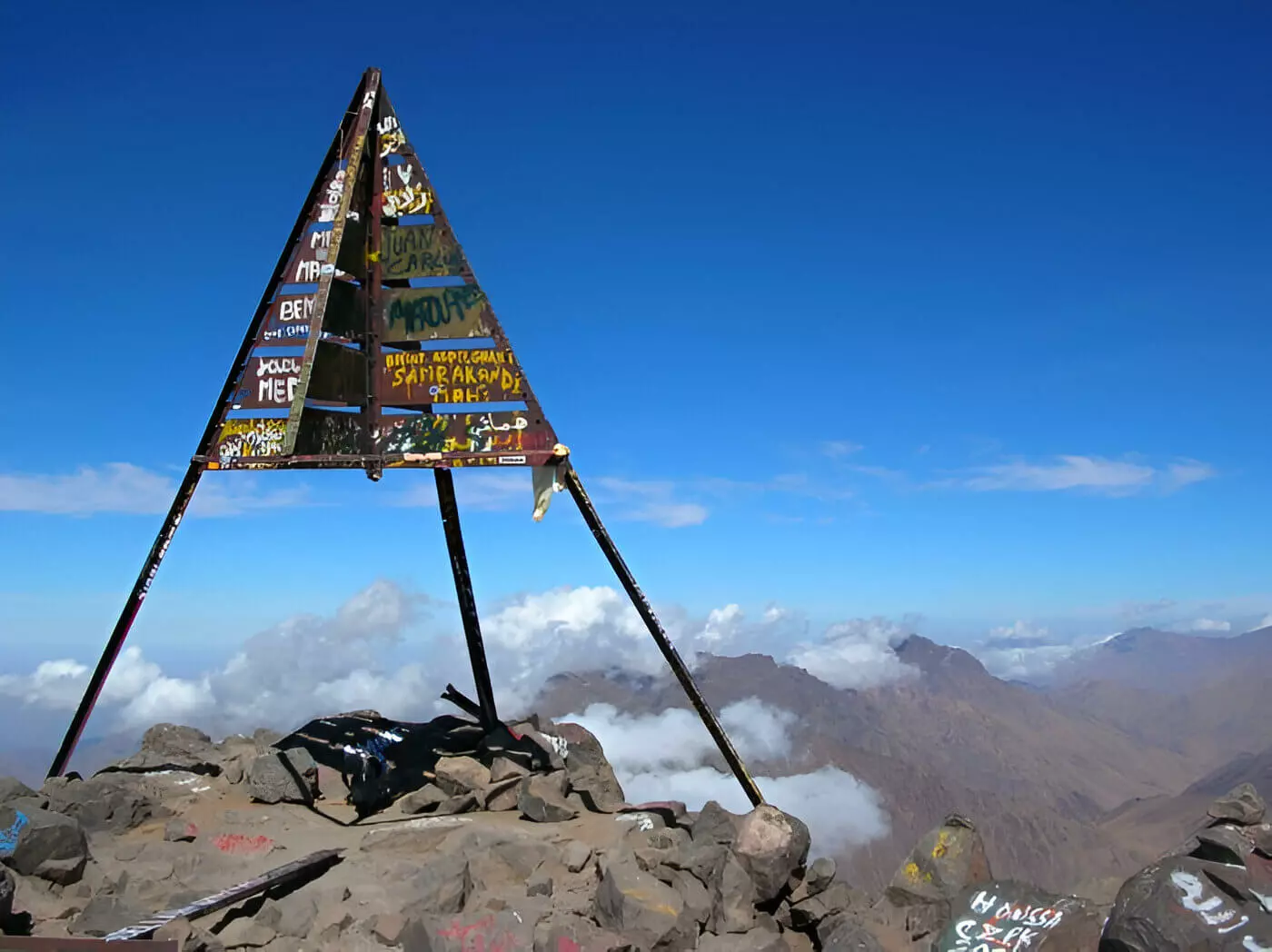
We offer a 2 day Mount Toubkal trek from Marrakech and a day trip from Marrakech to Imlil and Toubkal National Park if you prefer a guided plan. In winter, see Morocco in winter for conditions.
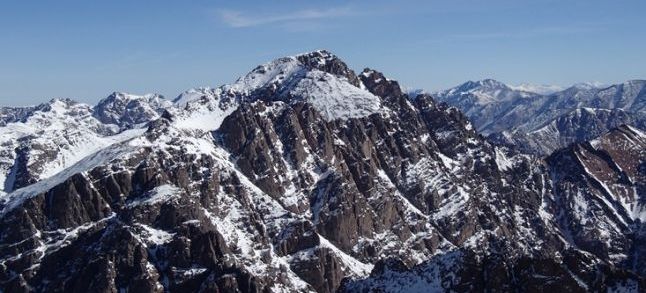
Mountain weather can change quickly. Wikipedia records a catastrophic flood in the Imlil valleys on 17 August 1995 after heavy rain, with official figures reporting up to 150 deaths. It is a reminder to check forecasts, avoid narrow river beds in summer storms and follow your guide’s advice.
Getting to Imlil and where to go next
Imlil is an easy add-on to a Marrakech stay. Read whether Marrakech is worth visiting and our Jemaa el-Fna guide, and for other day trips see the Ourika Valley and Atlas Mountains day trip and the Ouzoud Waterfalls day trip. Read about Ouzoud too.
For a longer route, look at the 4 day Marrakech Sahara desert tour, the 10 day Morocco tour from Marrakech or the 14 day Morocco tour from Marrakech. Plan meals with the Moroccan food guide, and see the 7 days in Morocco route.
Imlil Morocco FAQ
How high is Imlil?
About 1,740 m according to Journey Beyond and Easyvoyage. Wikipedia gives about 1,800 m with a citation-needed tag.
How far is Imlil from Marrakech?
About 65 km, per Easyvoyage. Check travel times before you go.
Do you need a guide to climb Toubkal?
Easyvoyage says a local guide is mandatory, with checkpoints along the route.
How long does the Toubkal climb take?
Easyvoyage describes a 22 km round trip over two days with one night in a refuge.
When is the best time to hike from Imlil?
Journey Beyond gives July to September as the best hiking season and says hikers can climb at any time of year. Winter needs crampons per Easyvoyage.
Can non-Muslims enter the shrine at Sidi Chamarouch?
Journey Beyond says the shrine is closed to non-Muslims, though the waterfall nearby can be seen.
Want Imlil and Toubkal on your High Atlas route? Message us your dates and we will plan it with you.
Message us on WhatsAppNavigate Morocco is a team from the Sahara desert who work as a family. We will be glad to help you plan your Imlil visit and the rest of your route, from the High Atlas to the dunes.
More Navigate Morocco guides: Climbing Toubkal, Ourika Valley Morocco, Morocco natural wonders, Morocco in winter.