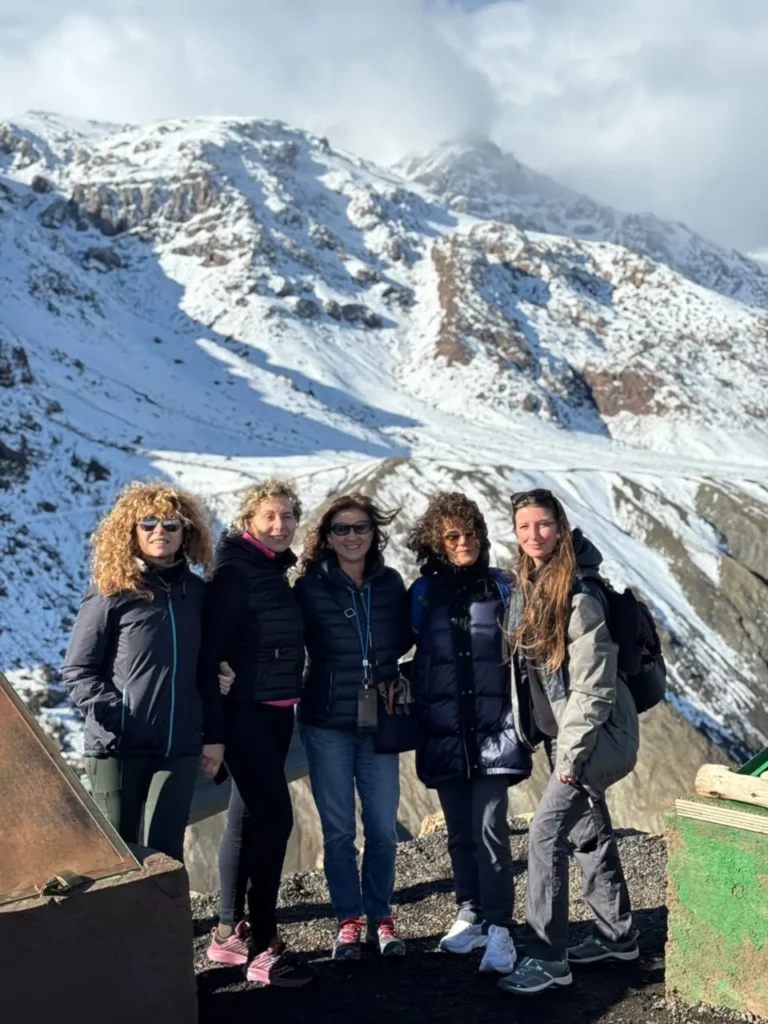
Morocco in winter is a country of three seasons at once. You can walk around Marrakech in the sun, ski in the Atlas Mountains and sleep under a sky full of stars in the Sahara, all in the same week. This guide explains the weather by region, where to ski, how cold the desert gets at night, how crowds and prices change, and what to pack.
Morocco in Winter: The Short Answer
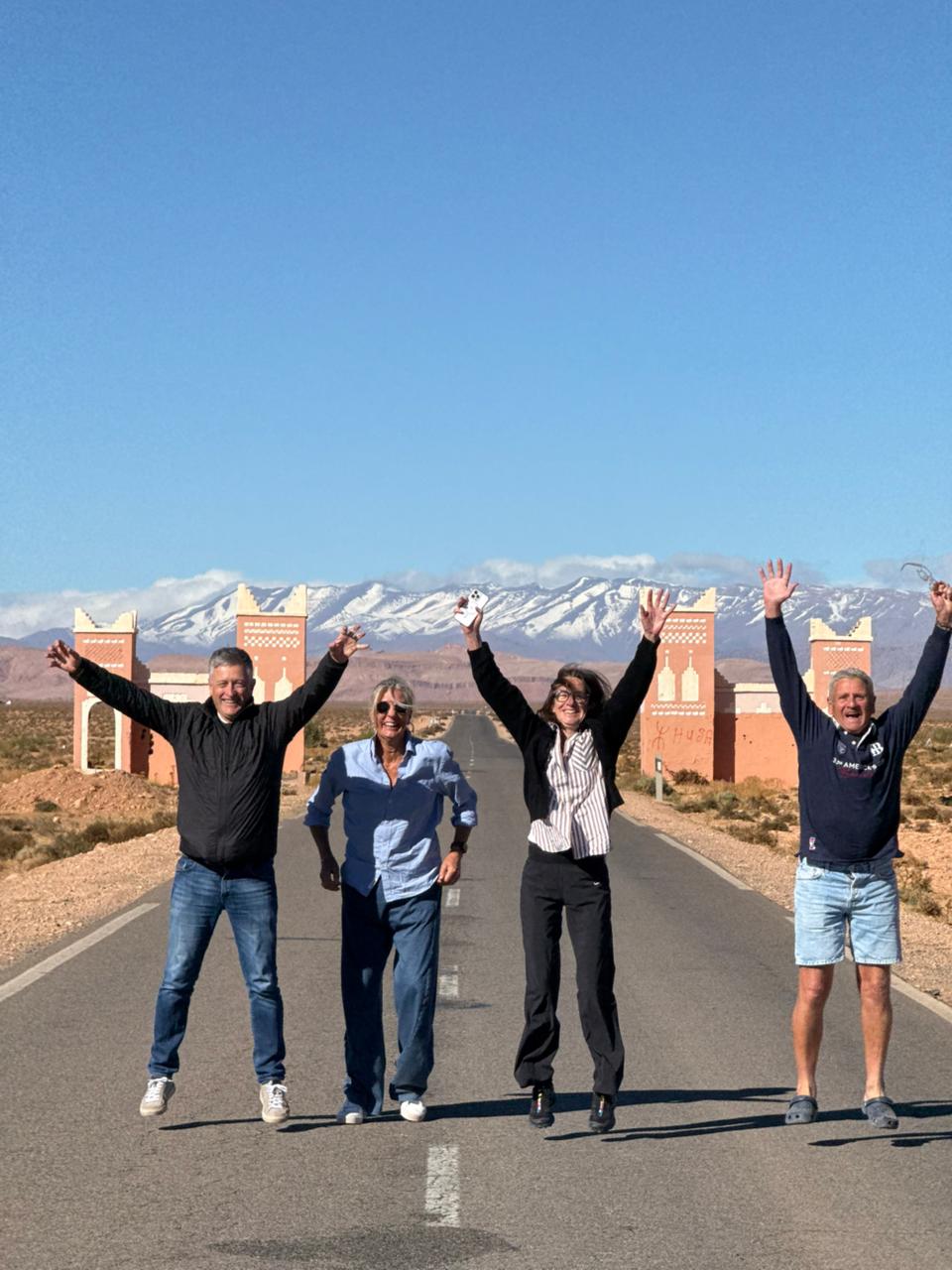
Winter is mild in Marrakech and on the coast, cold at night in the Sahara and snowy in the Atlas Mountains. Our best time to visit Morocco guide describes December as mild and sunny in Marrakech and along the coast, with cold desert nights and likely snow in the Atlas. January is cool and quiet, and crowds and prices are low outside the New Year period. It is a good season for city trips, as long as you pack layers.
Morocco in Winter Weather by Region
Morocco in Winter: Marrakech and the Cities
Daytime temperatures in Marrakech sit around 18 °C (64 °F) in January, dropping close to freezing at night. Responsible Travel notes that frost is rare but possible, and that winter weather is less stable, with possible rain in December and January. Not all accommodation has heating, so pack layers. For help choosing where to stay, read our riad vs hotel guide.
Morocco in Winter: The Sahara
Days in Merzouga are sunny and mild, and it rarely rains. Our guides give average highs of about 18 to 20 °C in December. Nights are a different story, and in the open desert the temperature can drop to a few degrees above freezing. See our guide to what to wear in the Sahara desert for the right layers.
Morocco in Winter: The Atlas Mountains
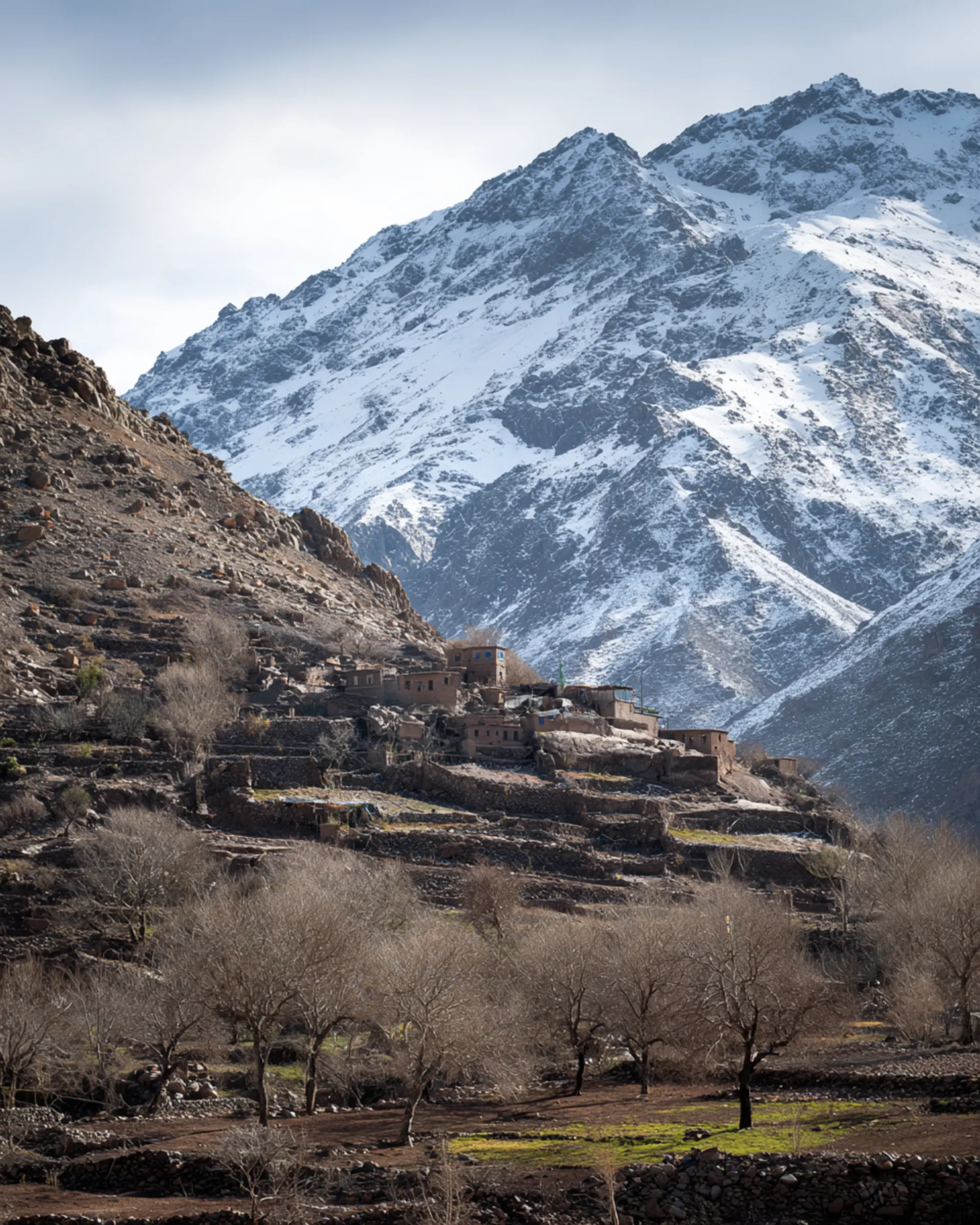
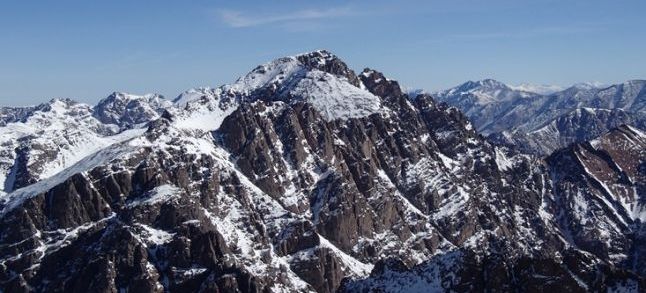
The Atlas Mountains are where temperatures drop most, and snow falls on the High Atlas. Responsible Travel says December is the coldest month there. Our guide on Morocco natural wonders shows what the mountains offer in other seasons.
Morocco in Winter: The Coast
On the coast, nights are not as cold as inland, according to Responsible Travel. Sea swimming is not the point of a winter trip, so plan for walks and food instead. Compare options in Sahara desert vs the Atlantic coast.
Skiing in Morocco in Winter
The ski season runs from about December to March or April, but it depends on snowfall and temperature. Journey Beyond Travel notes that Moroccan resorts do not make artificial snow and use few grooming machines, so runs can be bumpy, powdery or packed. Check conditions before you drive up.
Oukaïmeden is Morocco’s largest and most established ski resort. Wikipedia places it about 80 km south-southeast of Marrakech, in the Atlas near Toubkal, with a ski area from about 2,600 to 3,200 m and six ski lifts. Other guides quote shorter distances, so check the route and driving time before you go. The same guide quotes a day pass at around $10, with rentals costing roughly the same. We could not confirm current prices, so treat that as a rough guide.
Michlifen, near Ifrane, is a small area with short runs and chairlifts that can be unreliable. It suits beginners and families. At Oukaïmeden, beware of unofficial guides who charge for help, and ask for a certified instructor if you are unsure of your level.
Climbing Toubkal in Morocco in Winter
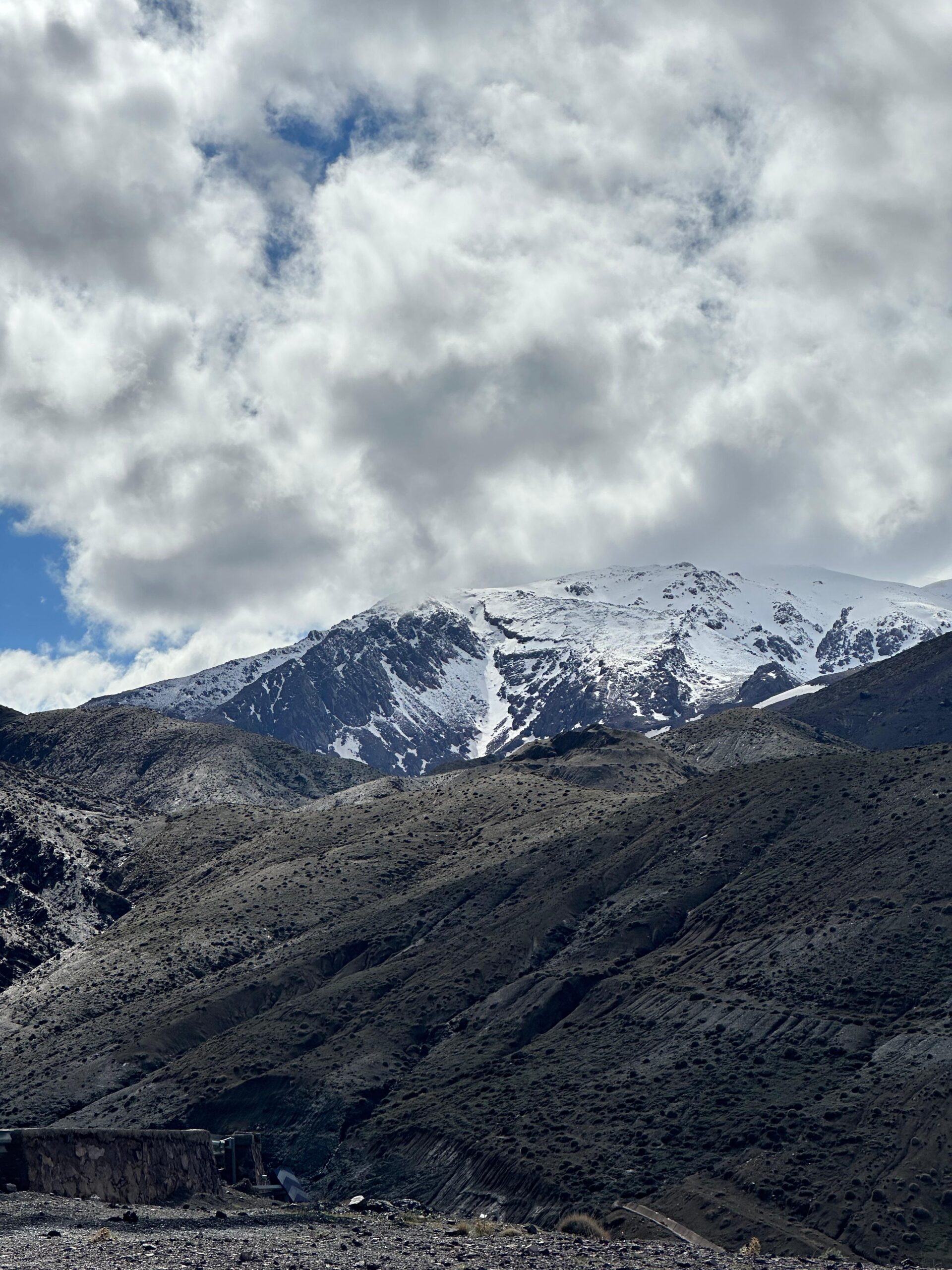
From December to March, a Toubkal climb is a winter ascent. Snow and ice cover the route, so you need crampons, an ice axe and winter experience. If you do not have those, the main season from June to October is a safer choice. Read our full guide to climbing Toubkal before you decide.
The Sahara at Night: Morocco in Winter Under the Stars
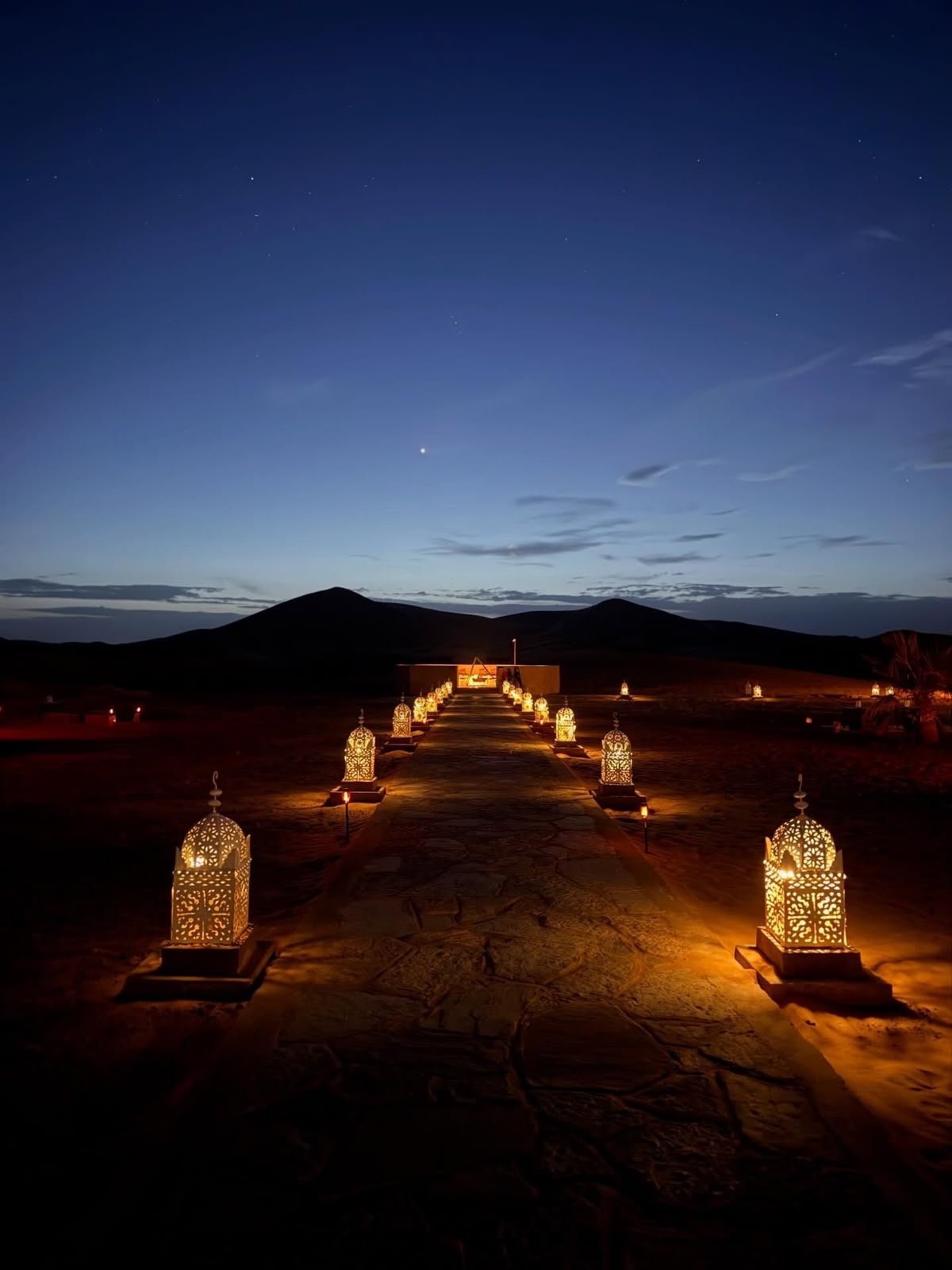
Winter nights in the desert are cold, but clear skies make them excellent for stargazing. From November to January the center of the Milky Way is not visible, yet the sky is still full of stars, and the long nights give you more time. See our guide to stargazing in Merzouga.
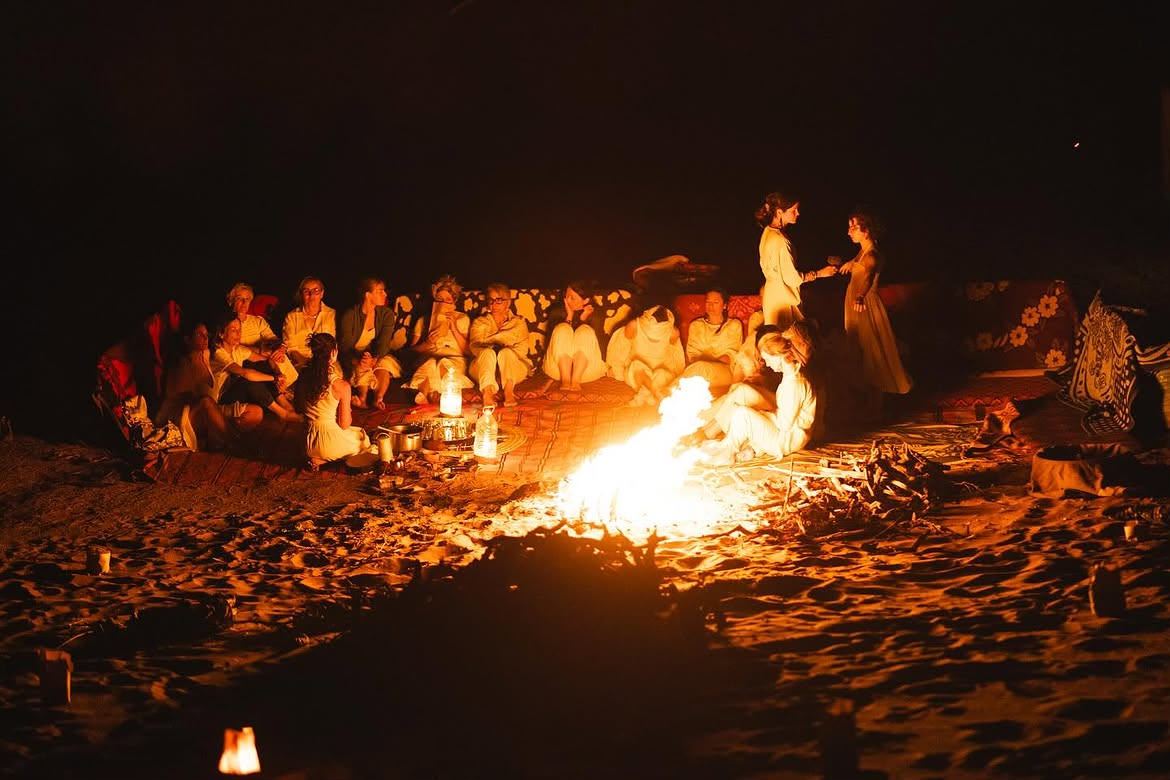
Camps have warm blankets, and many luxury tents also have heating, as our guide to a night in a Sahara desert camp explains. Dinner, music around the fire and sitting still all make you feel colder, so bring a jacket to dinner. Read about the food in Sahara desert camp meals.
For New Year, we run a camp night with a fire, drums and a sky full of stars. Read New Year in the Sahara and book early, because the last week of December is one of the busiest times of the year.
Crowds and Prices in Morocco in Winter
Marrakech is quiet in early December, before the Christmas crowds arrive. Christmas and the February school half term are busy and expensive, according to Responsible Travel, and hotel prices rise over the holiday period. Outside those weeks, winter is cheaper and less crowded. Journey Beyond Travel adds that lodging and airfares are cheaper in the off-season.
What to Pack for Morocco in Winter
Pack layers, including thermal base layers, a fleece and a warm jacket. Bring a hat and gloves for the desert and the mountains. Not all accommodation has heating, so warm sleepwear helps. For the desert, our guide to what to pack for the Sahara covers the rest, and our guide on what to wear in Morocco for women covers clothing for the cities.
Planning Morocco in Winter: Routes That Work
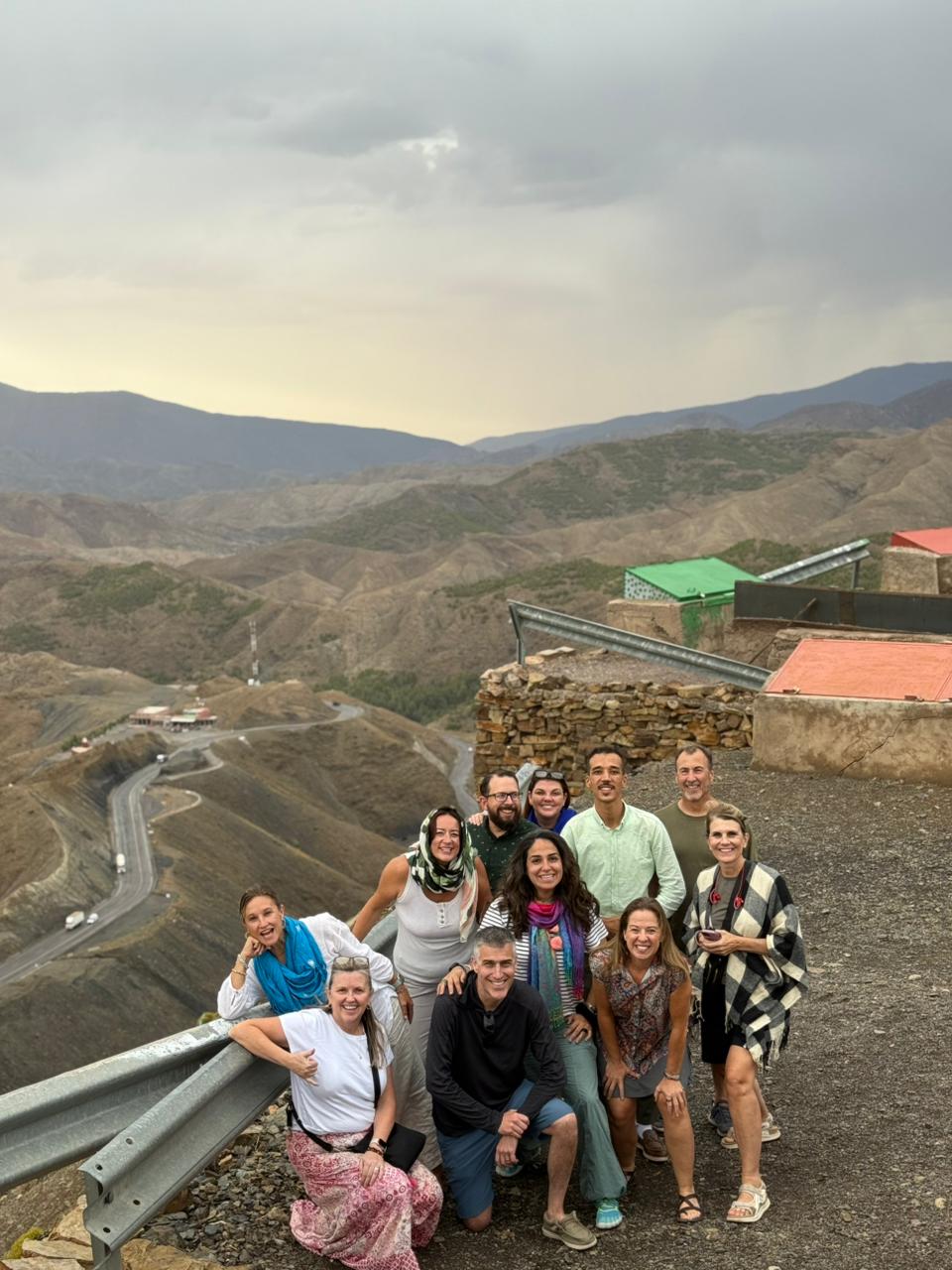
A winter route can start with a few days in Marrakech, then head to the dunes. Our 3 or 4 day desert tour from Marrakech follows that pattern, and our 7 days in Morocco itinerary adds more cities. Check how much a Morocco desert tour costs before you book. For an Atlas stop on the road, see what the drive from Marrakech to the Sahara is really like.
Morocco in Winter: Frequently Asked Questions
Is Morocco in winter cold?
It depends on where you are. Marrakech and the coast are mild by day, while the Sahara and the Atlas are cold at night. Pack layers.
Does it snow in Morocco in winter?
Yes. Snow falls on the High Atlas, and the ski season runs from about December to March or April, depending on snowfall.
Can you visit the Sahara in winter?
Yes. Days are sunny and mild, and nights are cold, so bring warm layers. Camps provide blankets, and many luxury tents have heating.
Is Morocco in winter cheaper?
Outside Christmas, New Year and the February school half term, prices are generally lower and places are quieter.
Planning Morocco in winter? Message us your dates and we will plan your route with you.
Message us on WhatsAppNavigate Morocco is a team from the Sahara desert who work as a family. We will be glad to help you plan your Morocco in winter trip, from the first morning in Marrakech to the last night in the dunes.
More Navigate Morocco guides: Morocco in November, Morocco in summer, Sunset in Morocco, Cash in Morocco.