
Morocco was the first country to recognize the United States, in 1777. On December 20, 1777, while George Washington’s army was settling into a freezing winter at Valley Forge, a sultan nearly 4,000 miles away made a quiet decision. Sultan Mohammed III of Morocco declared that American ships were welcome in his ports, on the same terms as the great powers of Europe. No other ruler had yet treated the rebel colonies as a nation.
That is why historians call Morocco the first country to recognize the United States. Nine years later the two nations signed a Treaty of Peace and Friendship that is still in force today. It is the oldest unbroken treaty in American history.
Most Americans have never heard this story. Yet you can still walk through it. You can stand in the first building the US government ever owned abroad, sleep near the hotel where Roosevelt and Churchill planned the defeat of Hitler, and look out at the same minaret Churchill painted for Roosevelt in Marrakech. This guide tells the story of Morocco and the USA, then shows you exactly where to find it on the ground.
1777 to 1787: How Morocco Became the First Country to Recognize the United States
Sultan Sidi Mohammed ben Abdallah, known as Mohammed III, was a trader at heart. He rebuilt the port of Essaouira (then called Mogador) to draw foreign merchants to Morocco. When he heard about the new American republic, he saw a future trading partner rather than a rebel colony.
His 1777 declaration opened Moroccan ports to American ships. Historians still debate whether this counts as formal diplomatic recognition, because no treaty or ambassadors followed straight away. France signed a full treaty with the US in February 1778. But the Sultan’s gesture came first, and Morocco remembers it with pride.
American ships badly needed friends. Once independent, they lost the protection of the British navy. Corsairs from North Africa were seizing American sailors in the Mediterranean. So Congress sent diplomat Thomas Barclay to Marrakech in 1786.
The result was the Moroccan-American Treaty of Peace and Friendship, signed in Marrakech in June and July 1786. Thomas Jefferson in Paris and John Adams in London added their signatures. Congress ratified it on July 18, 1787, the same summer the US Constitution was being written in Philadelphia. It was the first treaty the United States ever signed with a non-European nation.
In 1789 President Washington wrote to the Sultan to thank him. He admitted the young country had no gold or silver mines, but promised that “our Soil is bountiful, and our People industrious.”
Where to see it today: Essaouira’s harbor and ramparts, built under Mohammed III, are a two-and-a-half-hour drive from Marrakech. Walk the Skala de la Ville sea wall and you are looking at the port the Sultan built to draw in foreign traders, the same open-door policy that welcomed American ships in 1777.
The Tangier American Legation: America’s First Property Abroad
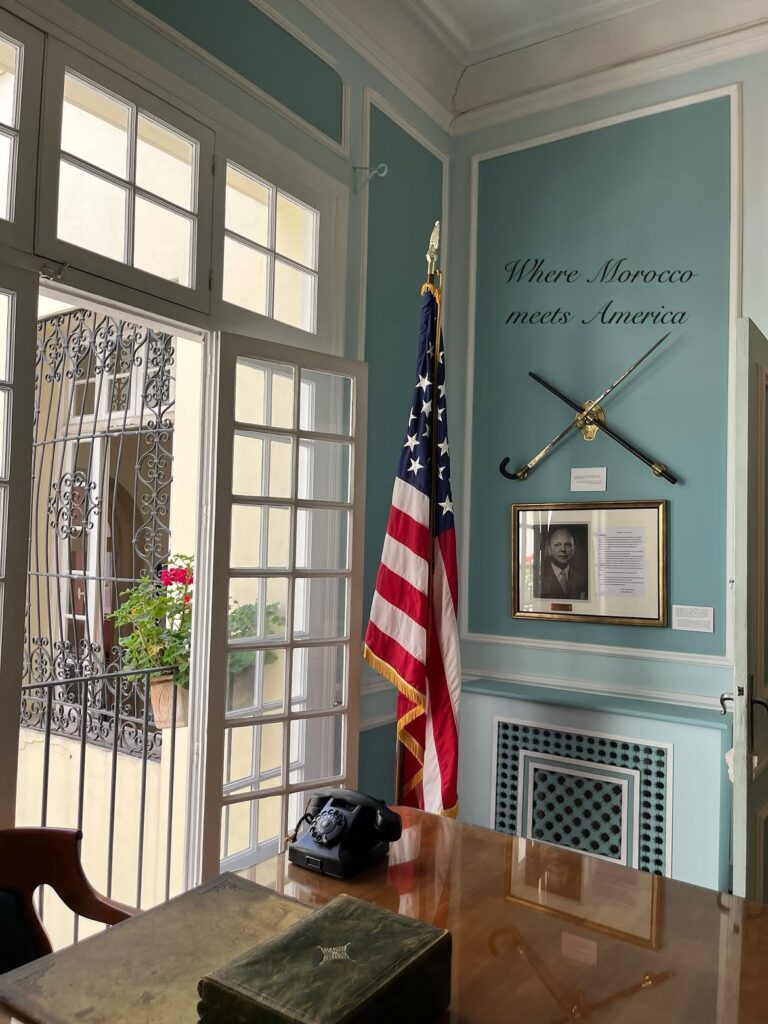
In 1821 Sultan Moulay Suleiman gave the United States a building in the old medina of Tangier, as a home for its consul. It became the first property the US government ever owned outside its own borders. American diplomats worked there for 140 years, until the embassy moved to Rabat after Moroccan independence in 1956.
In 1982 the building was named a US National Historic Landmark. It is still the only National Historic Landmark located in a foreign country.
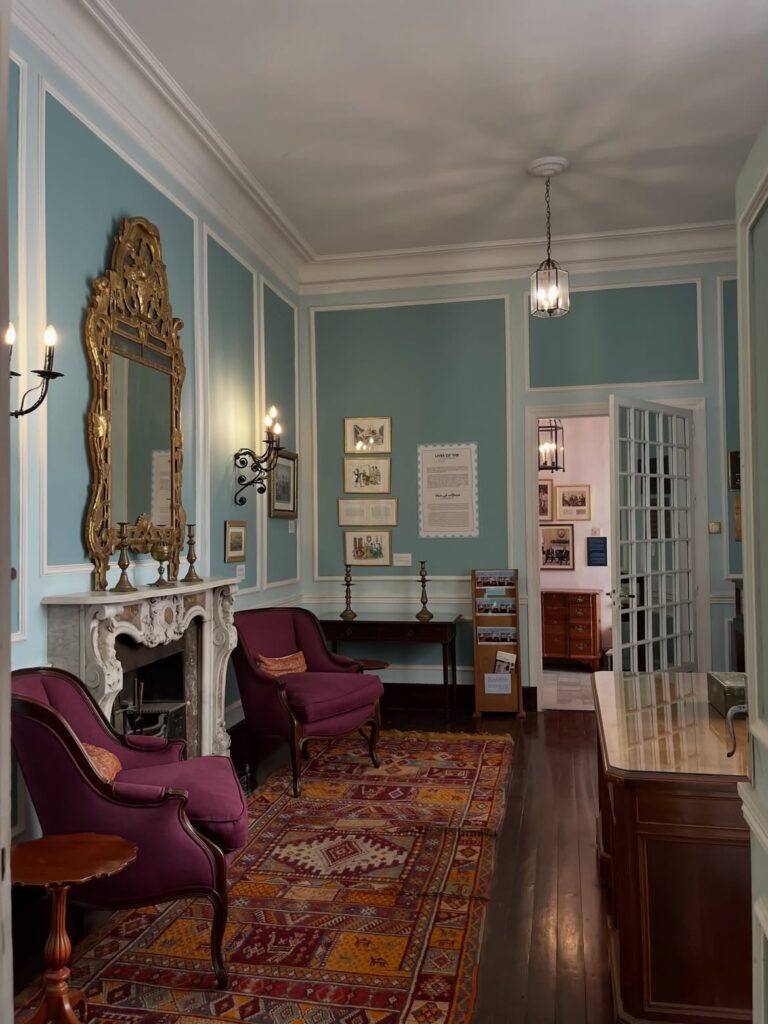
Today the Tangier American Legation is a museum and cultural center run by the Tangier American Legation Institute for Moroccan Studies. Inside you will find:
- Historic documents, maps and diplomatic objects from more than two centuries of Moroccan-American friendship
- A wing dedicated to Paul Bowles, the American writer and composer who lived in Tangier for over 50 years
- Paintings and photographs of old Tangier, when it was an international zone full of spies, artists and writers
- A quiet courtyard garden in the middle of the busy medina
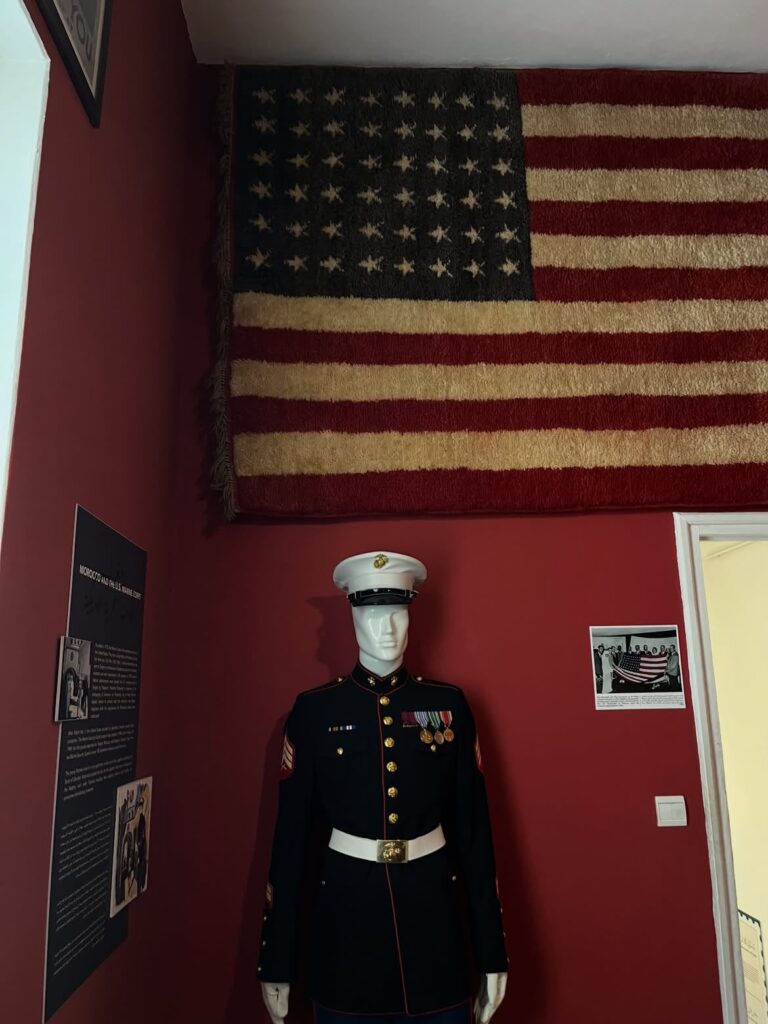
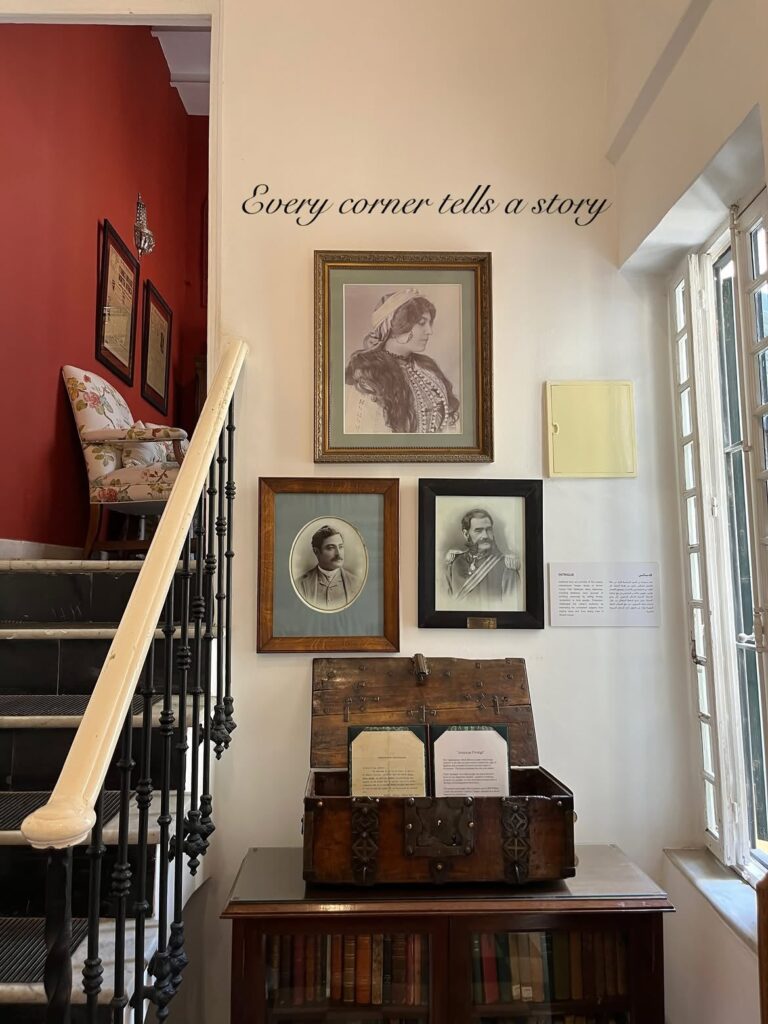
Travel tip: the Legation sits at the bottom of the medina, a short walk from the Grand Socco square. Pair it with the Kasbah Museum and a mint tea at Café Hafa, where Bowles and the Beat writers used to sit above the Strait of Gibraltar. If you arrive by ferry from Spain, this is a perfect first afternoon in Morocco.
World War II: Casablanca, Roosevelt and Churchill in Marrakech
On November 8, 1942, American troops landed on Morocco’s Atlantic coast as part of Operation Torch, the first major US ground operation against the Axis in the European-African theater. Forces under General George S. Patton came ashore near Safi, Fedala (today’s Mohammedia) and Mehdia, close to Kenitra. Within days Casablanca was in Allied hands.
Two months later, President Franklin D. Roosevelt flew to Casablanca. From January 14 to 24, 1943, he met Winston Churchill at the Anfa Hotel, in the hills above the city. The Casablanca Conference shaped the rest of the war. The leaders agreed to invade Sicily and Italy next, and Roosevelt announced that the Allies would accept nothing less than the “unconditional surrender” of Germany, Italy and Japan. Sultan Mohammed V, the grandfather of today’s King, met Roosevelt during the conference.
After the talks, Churchill insisted on showing Roosevelt the sunset over the Atlas Mountains. The two leaders drove to Marrakech and stayed at Villa Taylor. From its rooftop, Churchill painted the Koutoubia minaret with the snowy Atlas behind it. It was the only painting he made during the entire war, and he gave it to Roosevelt as a gift. In 2021 the painting, owned by actress Angelina Jolie, sold at Christie’s for £8.3 million, a record for a Churchill.
Where to see it today:
- Casablanca: the Anfa district, where the conference villas stood, is now one of the city’s smartest neighborhoods. Combine it with the Hassan II Mosque and a drive along the Corniche.
- Marrakech: the Koutoubia Mosque is the city’s landmark, a five-minute walk from Jemaa el-Fna square. Visit at sunset to see the view Churchill painted.
- Mohammedia and Kenitra: quiet beach towns today, easy stops between Casablanca and Rabat for World War II enthusiasts.
Churchill’s love affair with Morocco started long before the war. Read the British side of the story in our guide to Morocco and Britain: 400 years of royal friendship.
Morocco and the USA Today: Close Allies, Easy Travel
The friendship that began in 1777 is still strong. In 1956 the United States recognized Morocco’s independence, and the first American embassy opened in Rabat. In 2004 Washington named Morocco a Major Non-NATO Ally, and a US-Morocco Free Trade Agreement took effect in 2006. It is still the only US free trade agreement with an African country.
The timing for a trip is special too. The United States celebrates its 250th birthday in 2026, and December 20, 2027 marks 250 years since the Sultan’s declaration. Few countries can say they have been friends with America for that long.
For American travelers, Morocco is one of the easiest exotic trips you can take:
- No visa needed. US citizens can stay up to 90 days with just a passport. It must be valid for at least six months on arrival, with one blank page for the entry stamp.
- Nonstop flights. Royal Air Maroc flies nonstop to Casablanca from New York (JFK), Washington (Dulles) and Miami, and launched a Los Angeles route in June 2026. Flight times run from about 7 hours from the East Coast to about 11 hours from LA.
- Easy connections. From Casablanca airport you can drive to Marrakech in around 3 hours, or take a short domestic flight to Fes, Tangier or Ouarzazate.
- A warm welcome. Many Moroccans bring up the 1777 friendship when they learn you are American. English is widely spoken in tourist areas, especially by younger Moroccans and guides.
The Friendship Route: A 9-Day Morocco Itinerary for Americans
This route follows the Morocco-USA story from north to south, then adds the Sahara, because no first trip to Morocco is complete without a night under the desert stars. It works best with a private driver-guide, who can tell the history at each stop.
Day 1: Tangier, where it all began. Arrive by air or by ferry from Spain. Spend the afternoon at the Tangier American Legation, then climb to the Kasbah and watch the sunset over the Strait of Gibraltar from Café Hafa.
Day 2: Tangier to Rabat. Drive down the Atlantic coast, around 3 hours on the highway. In Rabat, visit the Mausoleum of Mohammed V, the Sultan who met Roosevelt in 1943 and led Morocco to independence. Next to it stands the unfinished Hassan Tower. End the day in the blue-and-white lanes of the Kasbah of the Udayas.
Day 3: Rabat to Casablanca, via Kenitra or Mohammedia. World War II fans can stop at the Operation Torch landing beaches. In Casablanca, see the Hassan II Mosque, one of the largest mosques in the world, built right over the ocean. Dinner in the Anfa district, where Roosevelt and Churchill met.
Day 4: Casablanca to Marrakech. About 3 hours by road. In the late afternoon, walk to the Koutoubia Mosque and see the minaret Churchill painted for Roosevelt, then dive into Jemaa el-Fna square as the night food stalls light up.
Day 5: Marrakech. Explore the souks, the Bahia Palace, the Saadian Tombs and the Majorelle Garden.
Day 6: Day trip to Essaouira. Visit the Atlantic port rebuilt by Sultan Mohammed III, the man who reached out to America in 1777. Walk the ramparts and eat grilled fish at the harbor.
Days 7 to 9: The Sahara Desert. Cross the High Atlas Mountains, stop at the UNESCO-listed Ait Ben Haddou, and ride camels into the Merzouga dunes for a night in a desert camp. Return to Marrakech or continue to Fes.
Book it your way: Navigate Morocco can tailor this route as a private tour. Good starting points are our 6-day tour from Tangier to Marrakech, the 12-day Morocco tour from Tangier, the day trip from Marrakech to Essaouira and our Sahara desert tours from Marrakech.
Morocco and the USA: Frequently Asked Questions
Was Morocco really the first country to recognize the United States?
Yes, in the sense that Sultan Mohammed III was the first ruler to publicly acknowledge American independence, on December 20, 1777, by opening his ports to American ships. France was the first to sign a formal treaty of alliance, in February 1778. Morocco’s own formal treaty followed in 1786.
What is the oldest treaty in US history?
The Moroccan-American Treaty of Peace and Friendship, signed in 1786 and ratified by Congress in 1787. It has never been broken.
Can I visit the Tangier American Legation?
Yes. It is a museum and cultural center in the Tangier medina, open to visitors. Check opening hours before you go, as they can change during holidays.
Do Americans need a visa for Morocco?
No. US passport holders can stay up to 90 days without a visa. Your passport must be valid for at least six months when you arrive.
How long is the flight from the USA to Morocco?
Around 7 hours nonstop from New York or Washington to Casablanca, and about 11 hours from Los Angeles.
Is Morocco safe for American travelers?
Millions of visitors travel to Morocco every year without problems. Use normal city sense in busy medinas, and read the latest US State Department advice before you go. Traveling with a licensed local guide makes the trip easier and safer.
Walk the History of the First Country to Recognize the United States
The story of Morocco and the USA is best told on the spot, by someone who grew up with it. At Navigate Morocco, our local guides can build a private tour around the Friendship Route, from the Legation in Tangier to the dunes of the Sahara. Contact us to plan your trip, and come see why Morocco has been America’s friend for nearly 250 years.
More guides: Planning a trip after learning that Morocco was the first country to recognize the United States? Read our guides on the Morocco visa for Americans, flights to Morocco from the USA and 7 days in Morocco.
More on first country to recognize the United States: keep planning with our best time to visit Morocco, Morocco desert tour cost and how many days you need in Morocco.