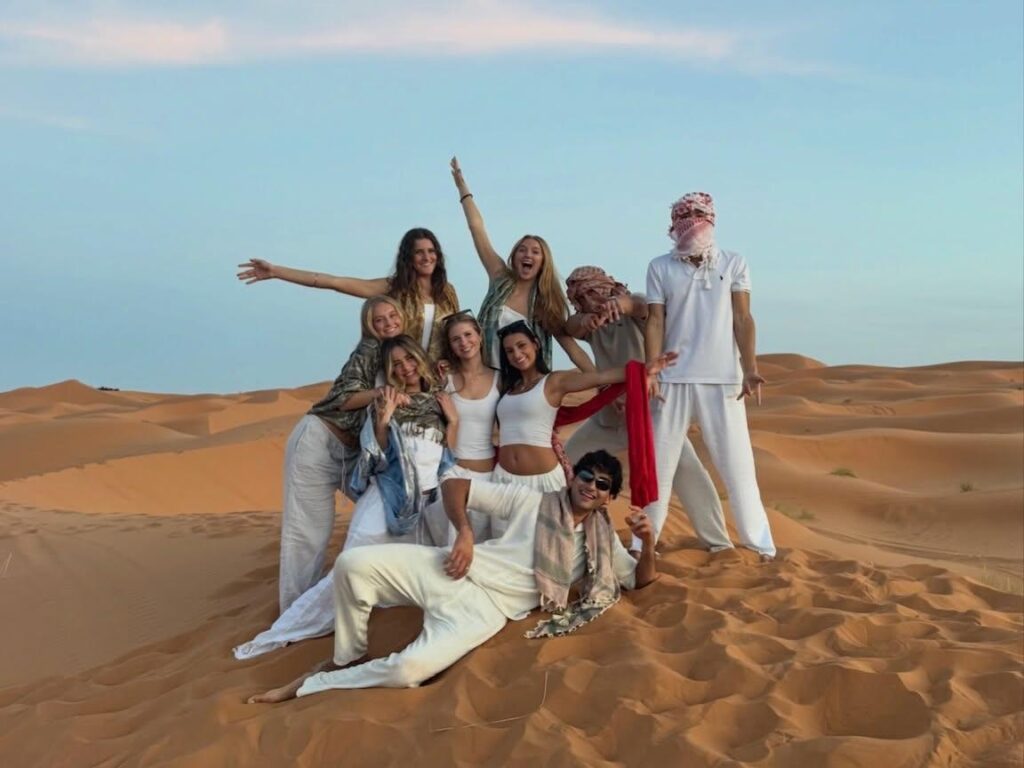
Is Morocco safe for students? Yes, for students who plan ahead and follow a few clear rules. Every year, study abroad groups, Erasmus students and Semester at Sea classes visit Marrakech, Fes and the Sahara without trouble. The risks are real but simple: pickpockets, scams, fake guides, busy roads and strict laws on drugs. This guide explains what official travel advice says and how students can stay safe in Morocco. It comes from our family team in Merzouga and Marrakech, who guide student groups across the country.
Is Morocco safe for students? The short answer
Morocco is safe for students who travel with common sense. Most problems are small: a fake guide in the medina, a taxi that overcharges or a lost phone. Serious crime against tourists is rare, but it does happen, so the basic rules matter. Students who stay in groups, keep valuables hidden and book trusted transport usually have a smooth trip.
What official advice says about Morocco for students
The US State Department lists Morocco at Level 2, exercise increased caution. The Government of Canada asks travelers to exercise a high degree of caution because of the threat of terrorism. It also says to avoid all travel within 20 km of the border with Algeria, an area far from the usual student routes.
The UK Foreign Office says petty crime such as pickpocketing and bag snatching is common in tourist areas. It also warns that card fraud and scams are common. None of these governments asks travelers to avoid Marrakech, Fes, Chefchaouen, the Atlas or the Sahara. Read the latest advice from your own government before you fly, because it can change.
Common problems and how to avoid them
Most trouble in Morocco comes from small tricks, not danger. Knowing them is the easiest way to keep Morocco safe for students. Here is what students meet most often:
- Fake guides: Young men may offer to show you the way in the medina, then ask for money. The UK advice says to check that a guide has an official badge. Say no politely and keep walking.
- Pickpockets: Keep your phone in a front pocket and use a bag that closes, especially in Jemaa el Fna and the souks. Read our guide to Jemaa el Fna in Marrakech.
- Taxi prices: Agree on the price before you get in, or ask for the meter in city taxis.
- Henna and photos: Some people in big squares put henna on your hand or a monkey on your shoulder, then ask for money. Say no clearly at the start.
- Card fraud: Use ATMs inside banks and check your statements. See our guide to cash in Morocco.
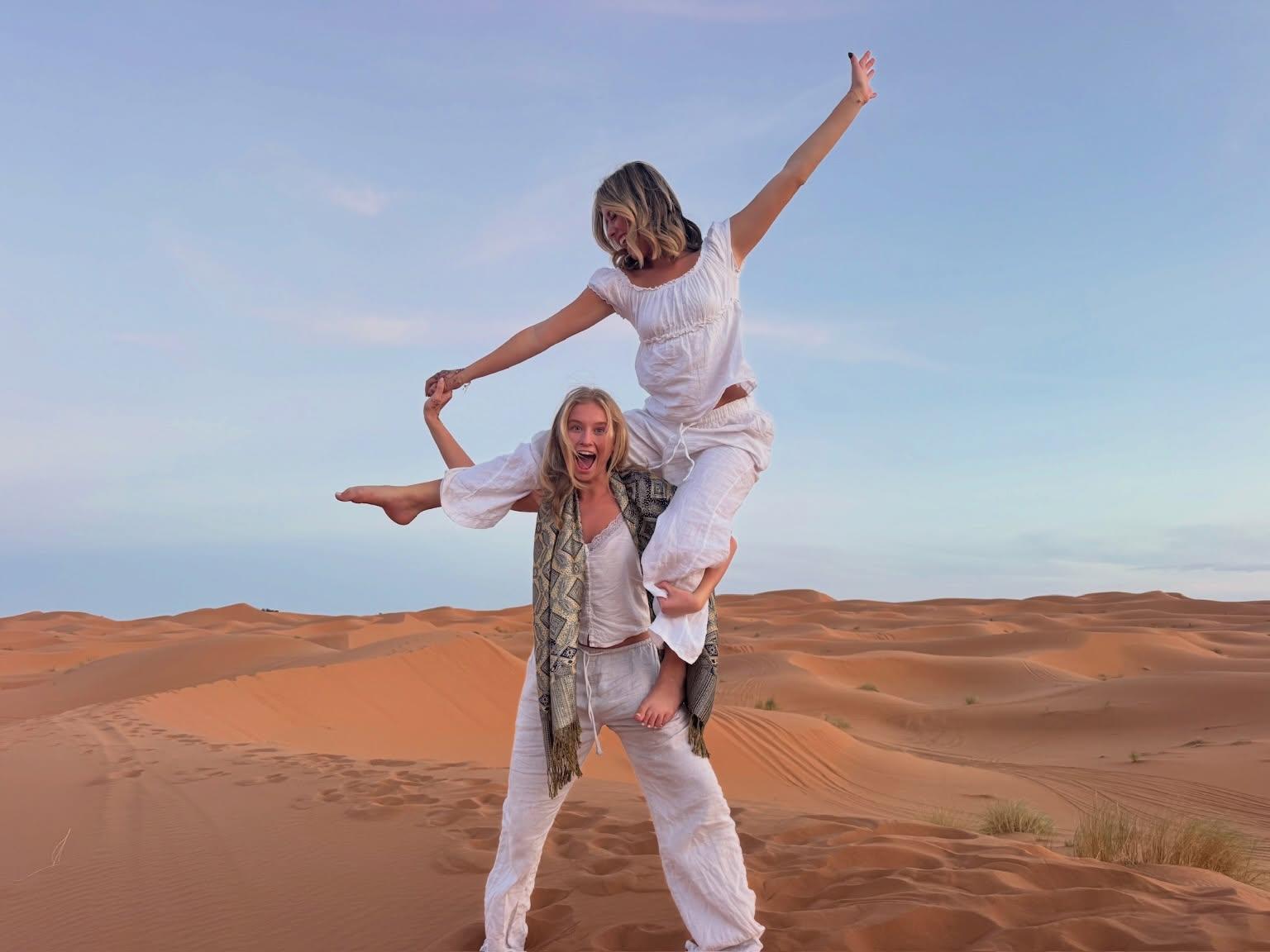
Is Morocco safe for students traveling solo?
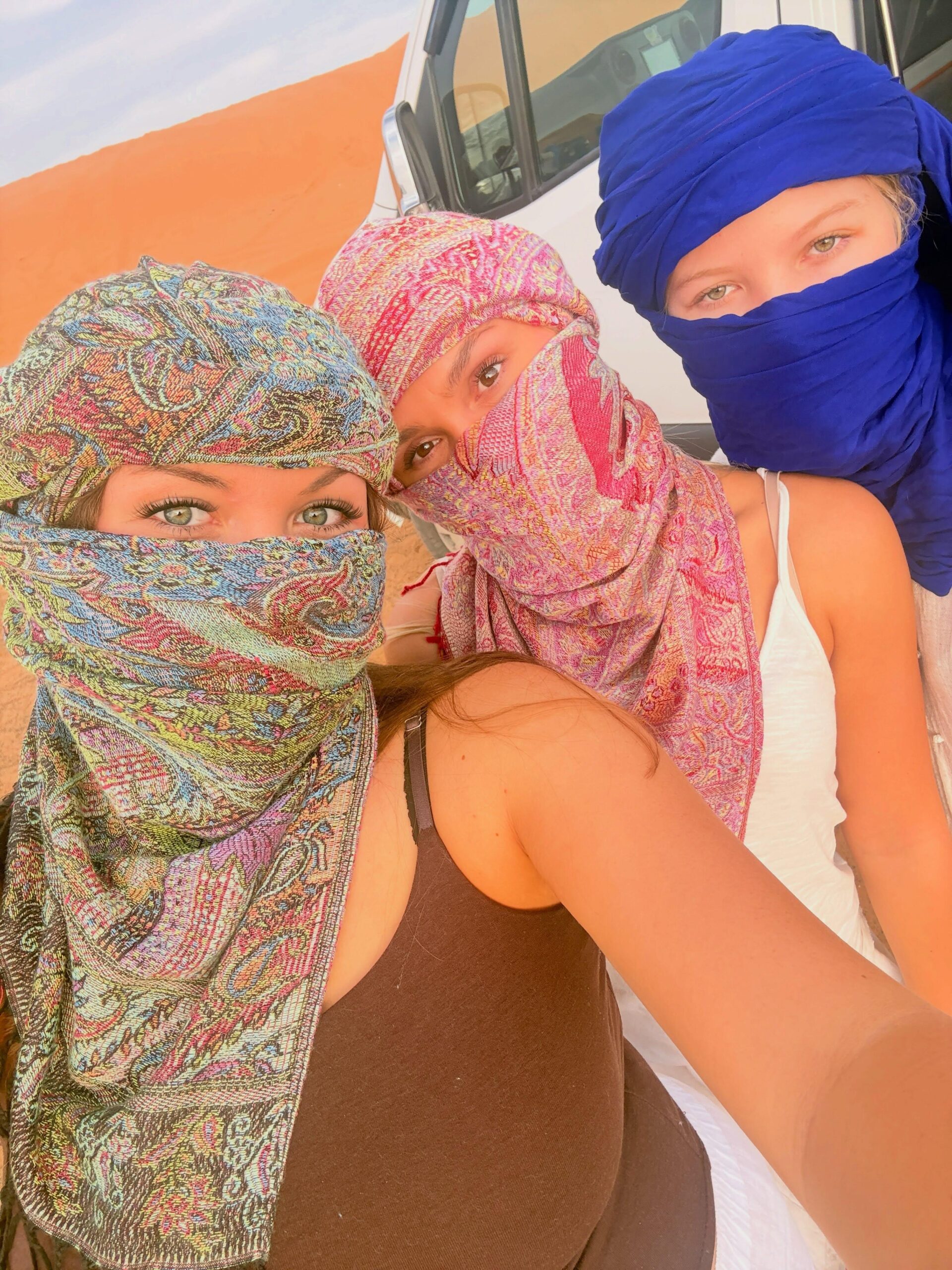
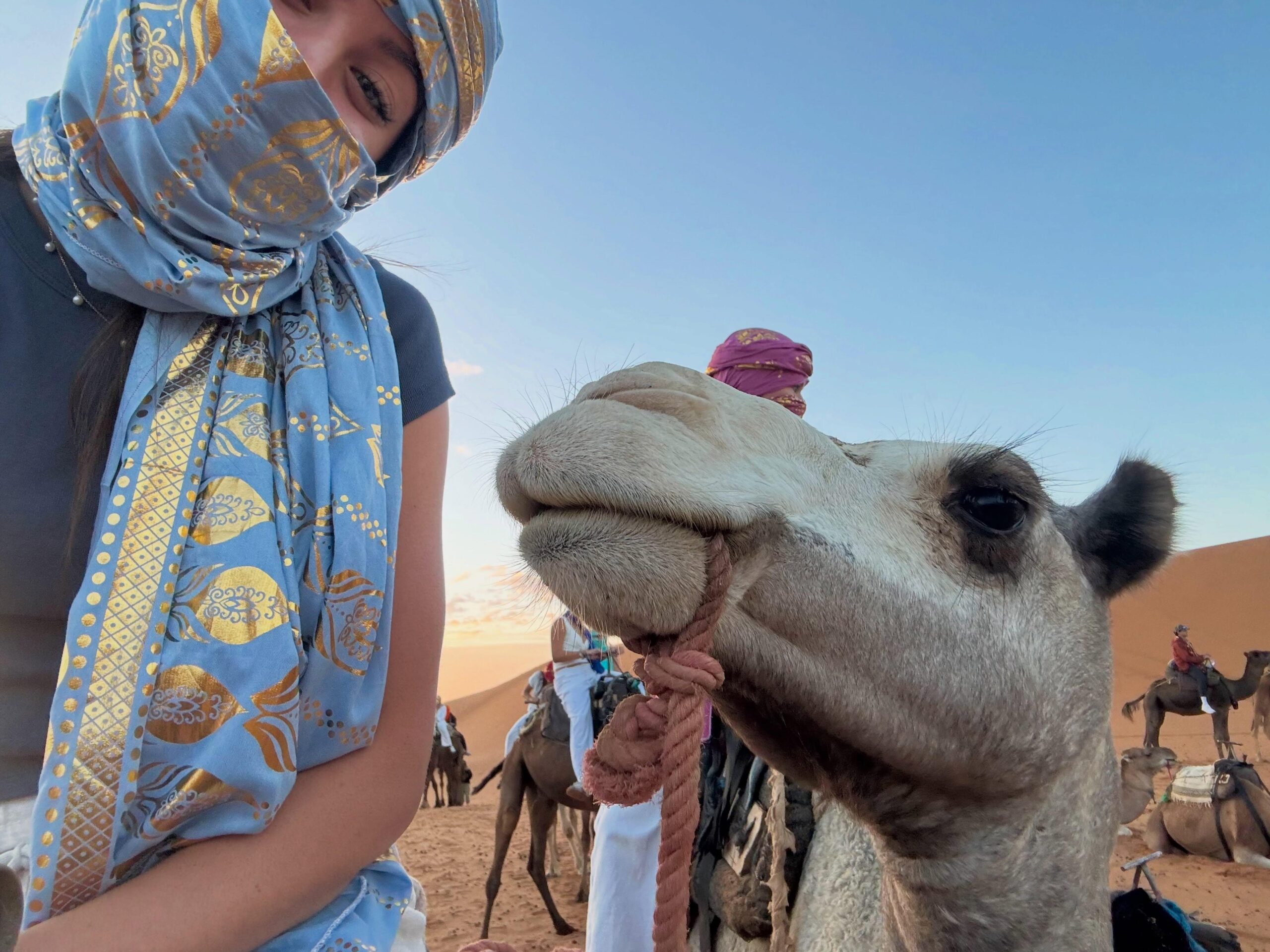
Yes, but solo students need a little more care than groups. Stay in well reviewed riads or hostels, share your plans with a friend and avoid empty streets late at night. Arrive in daylight when you can, and book your first transfer before you land. These habits make Morocco safe for students on their own.
Women may get unwanted attention, especially alone. The UK advice suggests loose clothing that covers the arms, legs and chest. Read our honest guide on solo female travel in Morocco and what to wear in Morocco for women.
Laws that keep Morocco safe for students
A few Moroccan laws surprise young visitors. Knowing them keeps your trip easy:
- Drugs: The UK advice says Morocco has a zero tolerance approach. Possession of any drug, including cannabis, can bring long jail sentences and heavy fines.
- LGBT travelers: Same sex relations are illegal in Morocco, and public affection can lead to prosecution. Read our guide to LGBT travel in Morocco.
- Photos: Ask before you take photos of people, and avoid photographing police, military sites or government buildings.
- Respect: Dress modestly in villages and mosques, and be careful during Ramadan in Morocco. See our guide to Moroccan etiquette.
Getting around Morocco safely
The UK advice says road accidents are frequent in Morocco, and Canada advises against driving at night. Trains between Marrakech, Casablanca, Rabat, Fes and Tangier are a safe and easy choice for students. For the desert, a private driver who knows the mountain roads is much safer than renting a car. Good transport choices keep Morocco safe for students. Compare the options in our guide to train, bus or rental car in Morocco and read about airport transfers in Morocco.
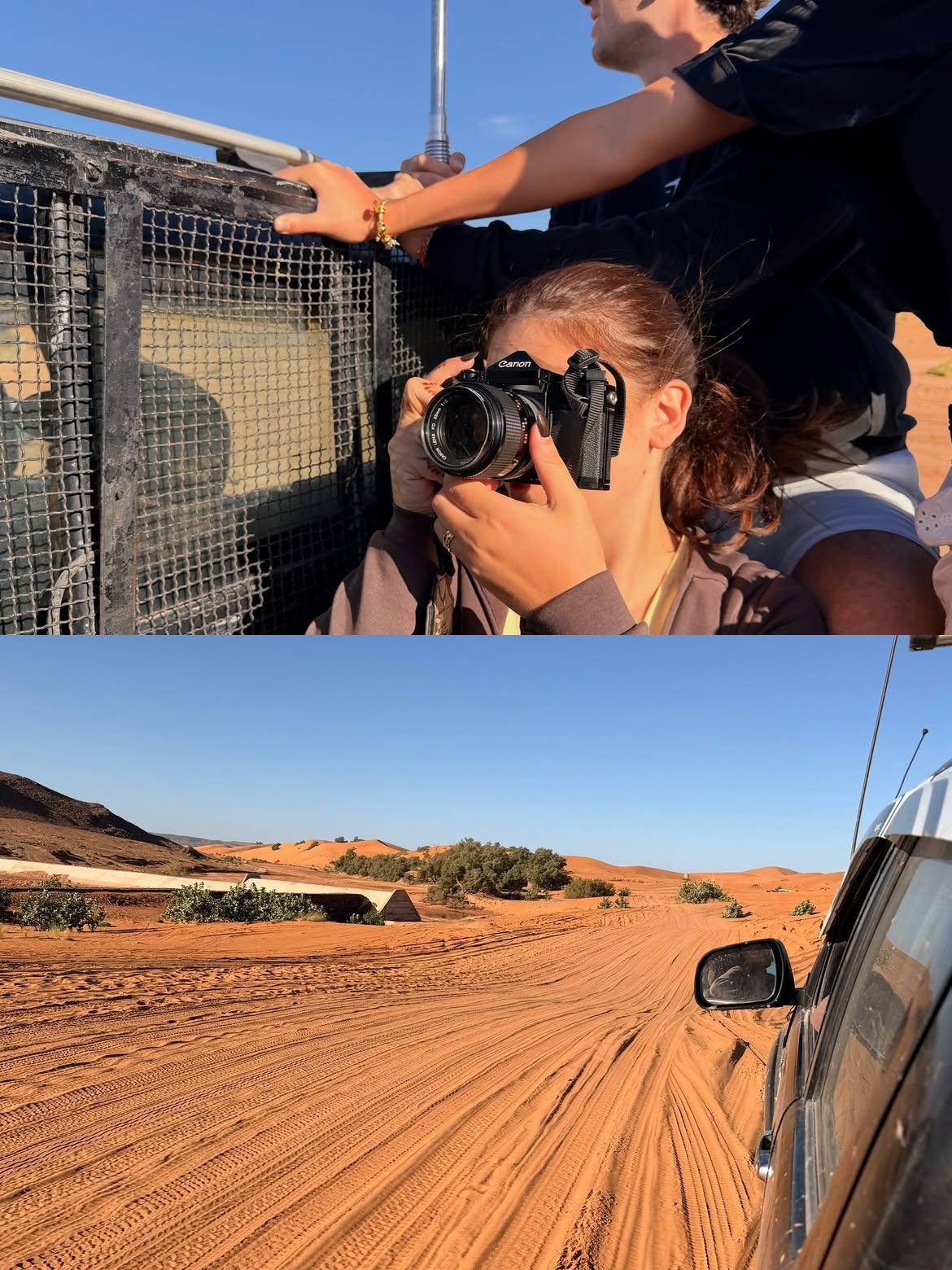
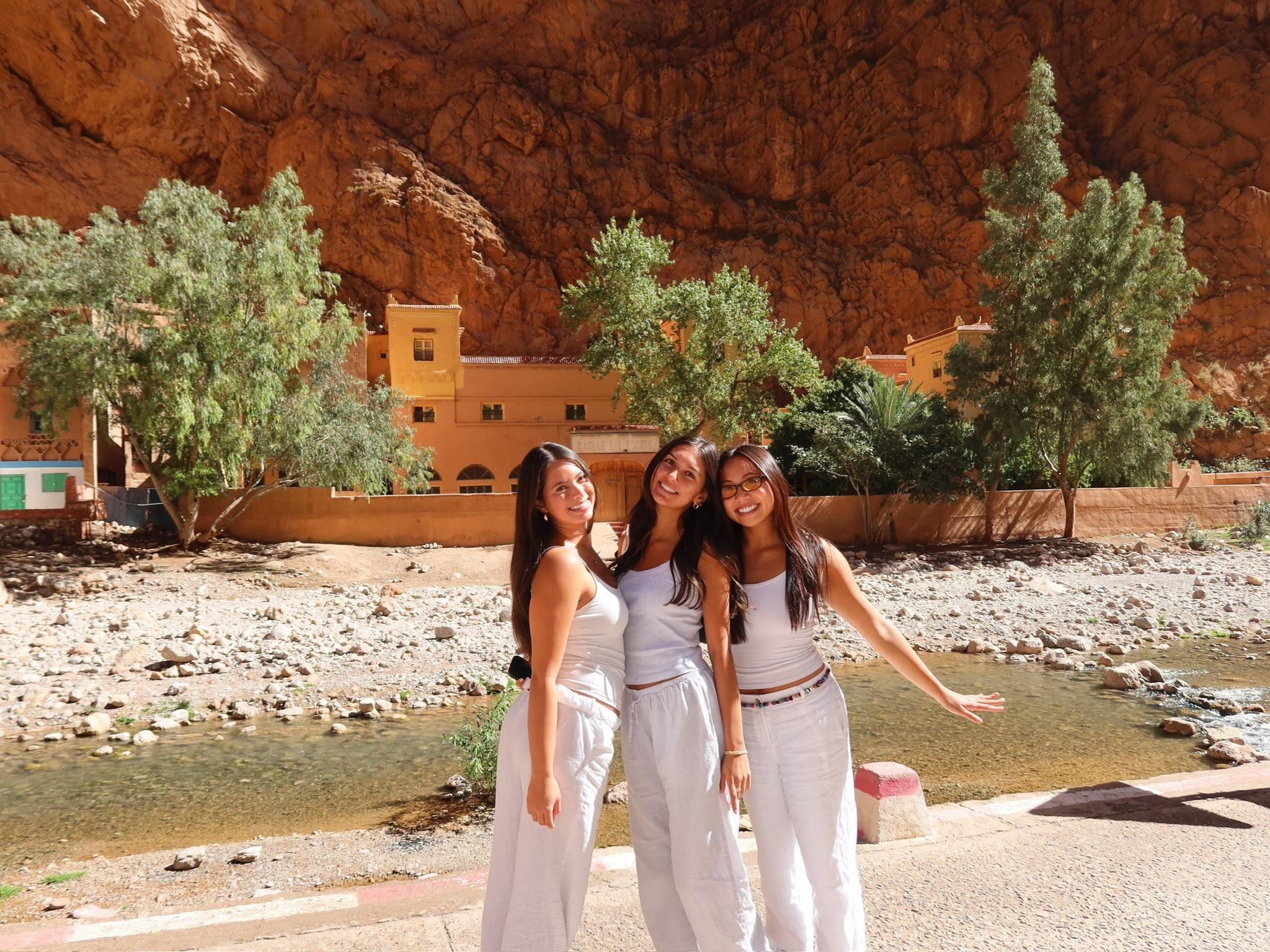
Is Morocco safe for students in the desert, mountains and sea?
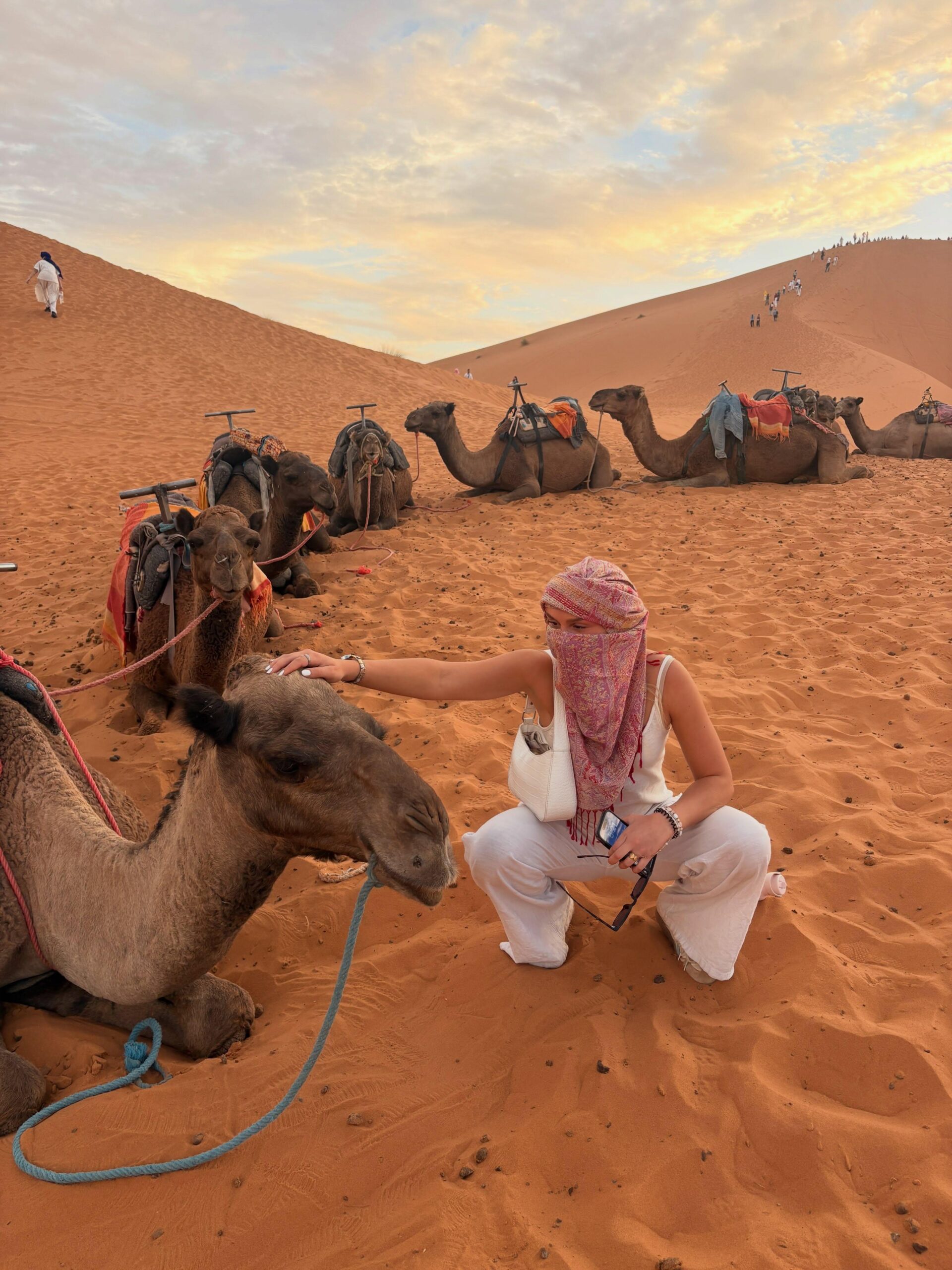
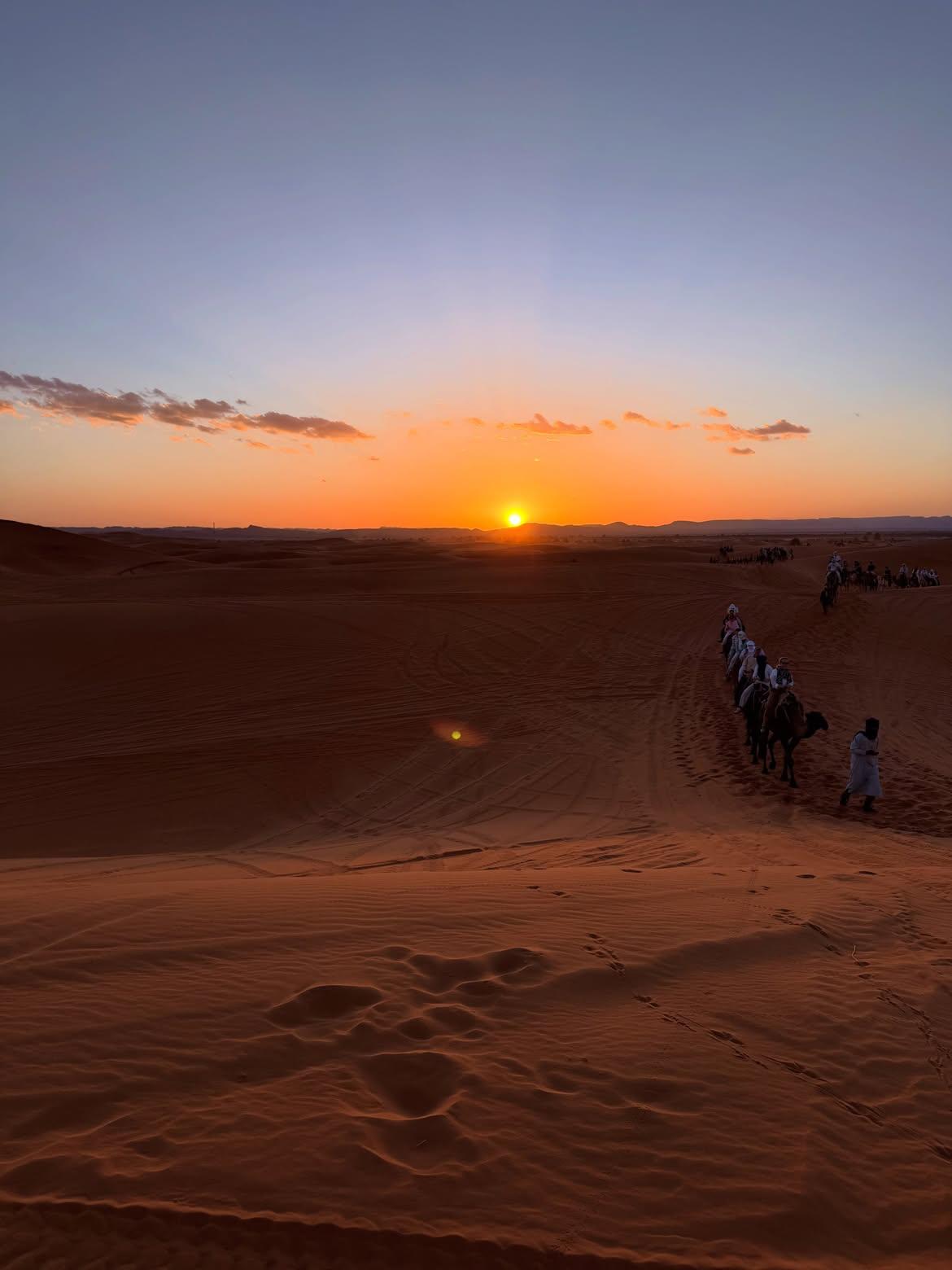
Nature is where students need the most respect. In the Sahara, never walk into the dunes alone after dark, drink plenty of water and follow your camp team. The UK advice says to hire a professional guide for Atlas hikes. On the coast, it warns of strong currents and limited lifeguard cover, so swim only where locals swim and never after drinking.
Read about a night in a Sahara desert camp, what to pack for the Sahara and climbing Toubkal.
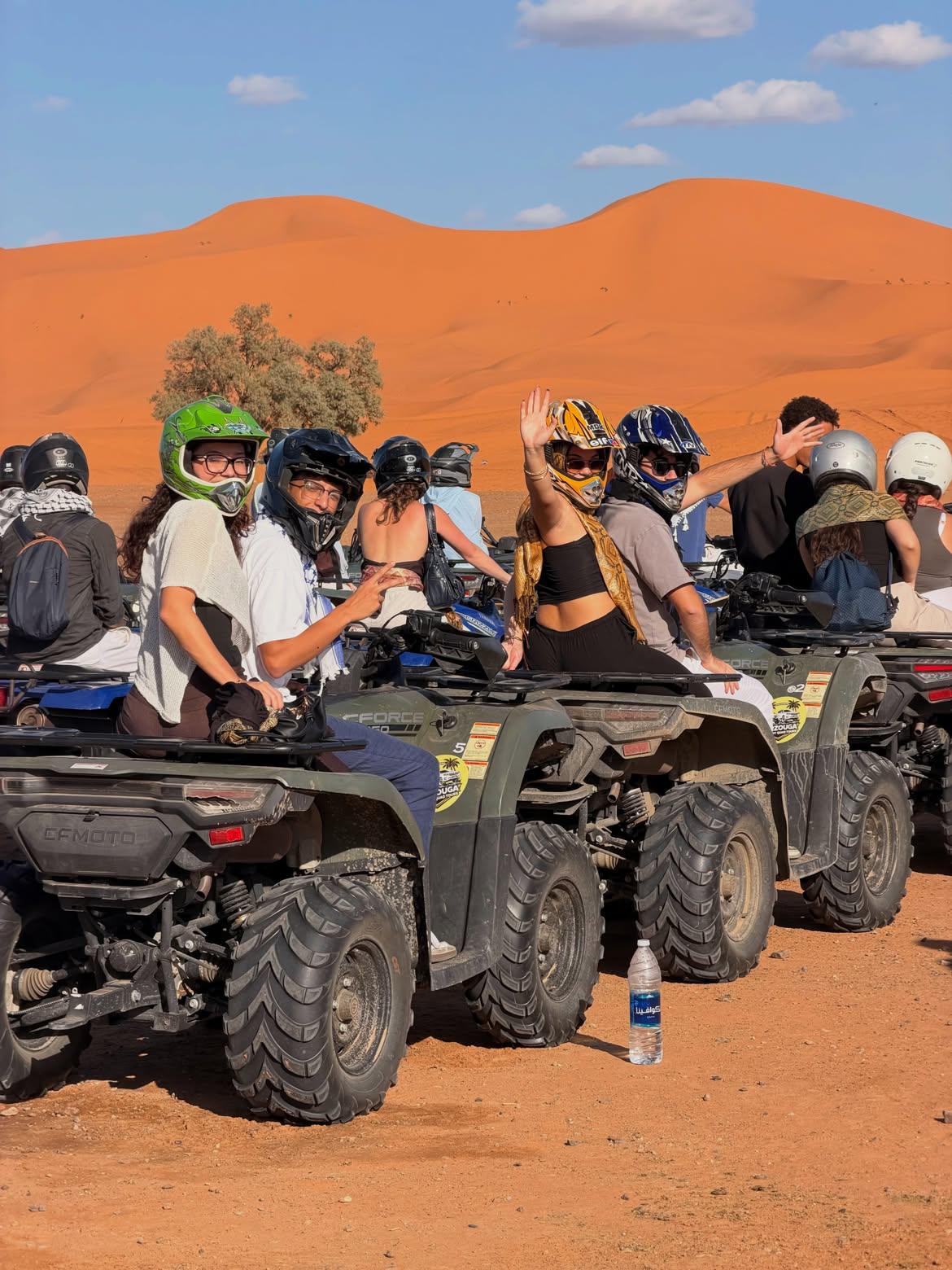
Health, money and phone: keeping Morocco safe for students
- Water: Most visitors drink bottled water. See is tap water safe in Morocco.
- Phone: A local SIM card keeps you connected and helps with maps. See the best SIM card in Morocco.
- Insurance: Buy travel insurance that covers medical care and the activities you plan, such as camel rides or hiking.
- Language: A few words of Darija open doors. Learn some with our Darija phrases guide.
Why student groups choose a local team
Many universities and study abroad programs book a local operator for their Morocco trip. A local team handles transport, hotels, the desert camp and guides, so leaders can focus on the students. That support makes Morocco safe for students and easy for their leaders. We are a family team from Merzouga, and our own camp and drivers run the desert part of every trip. See our study abroad tours, the 3 day student Sahara tour and the 4 day student Sahara tour.
Planning for a whole group? Read our study abroad groups planning guide, Morocco for students and the long weekend guide for students abroad.
FAQ: Is Morocco safe for students?
Is Morocco safe for students on a study abroad trip?
Yes. Study abroad groups visit Morocco every semester. Follow your program rules, stay with your group at night and use trusted transport.
Is Morocco safe for students traveling alone?
Yes, with extra care. Book good accommodation, arrive in daylight and share your plans with someone at home.
What is the biggest risk for students in Morocco?
Petty crime and scams in busy tourist areas. Keep valuables hidden and say no politely to unofficial guides.
Can students drink alcohol in Morocco?
Alcohol is sold in some hotels, bars and shops, but drinking in public is not accepted. Be discreet and never drink before swimming or driving.
What numbers should students save in Morocco?
Police in cities: 19. Gendarmerie outside cities: 177. Ambulance and fire: 15. From a mobile, 112. Also save your embassy number and your accommodation.
Planning a safe student trip to Morocco? Tell us your group size and dates and we will plan your route.
Message us on WhatsApp