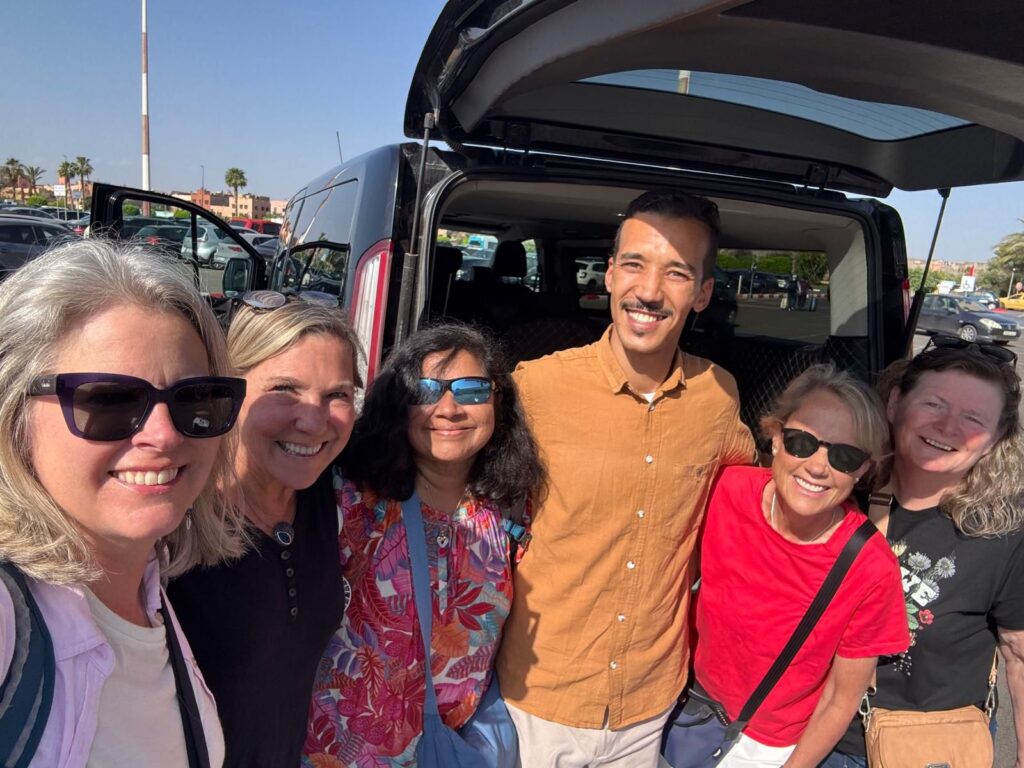
Is Morocco safe for Americans? For most US travelers, the answer is yes. In fact, every year many Americans visit Marrakech, Fes and the Sahara without any problem. However, like any country, Morocco has its own risks, from pickpockets to busy roads. This guide explains the official US advice, the most common scams and the simple habits that keep your trip safe.
What the US Travel Advisory Says
The US State Department rates Morocco at Level 2, “Exercise Increased Caution”, in its advisory reissued in April 2025. Above all, the reason given is terrorism. In addition, the advisory notes that attacks could target tourist sites, transport hubs and markets. For comparison, many popular European countries also carry a Level 2 rating.
In practice, security is visible in Morocco. For example, you will see police and tourist police in the medinas, at train stations and at major sites. Before you fly, enroll in the free Smart Traveler Enrollment Program so the embassy can reach you if needed.
Is Morocco Safe for Americans in the Cities?
Yes, with normal care. The busiest places, such as Jemaa el Fna and the souks, attract pickpockets, just like any crowded square. So keep your phone and wallet in a front pocket or a zipped bag. Also, avoid empty lanes late at night, and use a map app or a guide in the medina.
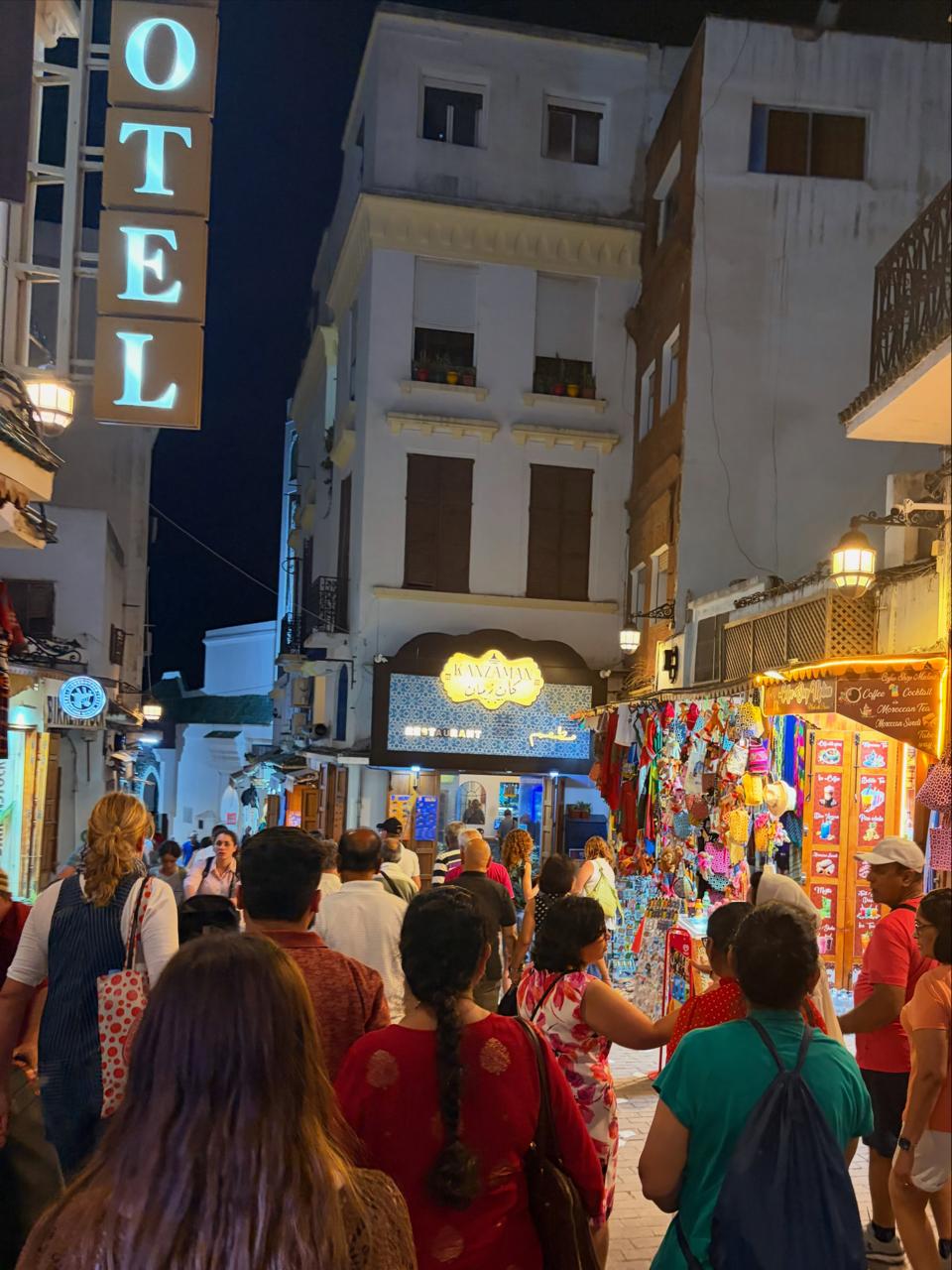
Common scams to know
- Fake guides who say a street is closed, then lead you to a shop.
- Henna artists who start painting your hand, then ask for a high price.
- Taxis that refuse to use the meter. Agree on the price before you get in.
- Photos with snake charmers or monkeys, followed by a request for money.
However, none of these are dangerous, although they can spoil your day. A polite “La, shukran” (no, thank you) and a smile is usually enough. Our guide to Moroccan etiquette explains more local customs, and what to buy in Marrakech covers fair haggling.
Is Morocco Safe for Americans on the Road?
Road safety is a bigger risk than crime. According to the State Department country page, traffic accidents are a major hazard, and night driving is risky. For this reason, many visitors choose a private driver instead of a rental car. Our train vs bus vs rental car guide compares the options.
On our tours, your driver-guide plans long drives in daylight and knows every mountain pass. In addition, the drive from Marrakech to the Sahara is split over two days, so nobody rushes.
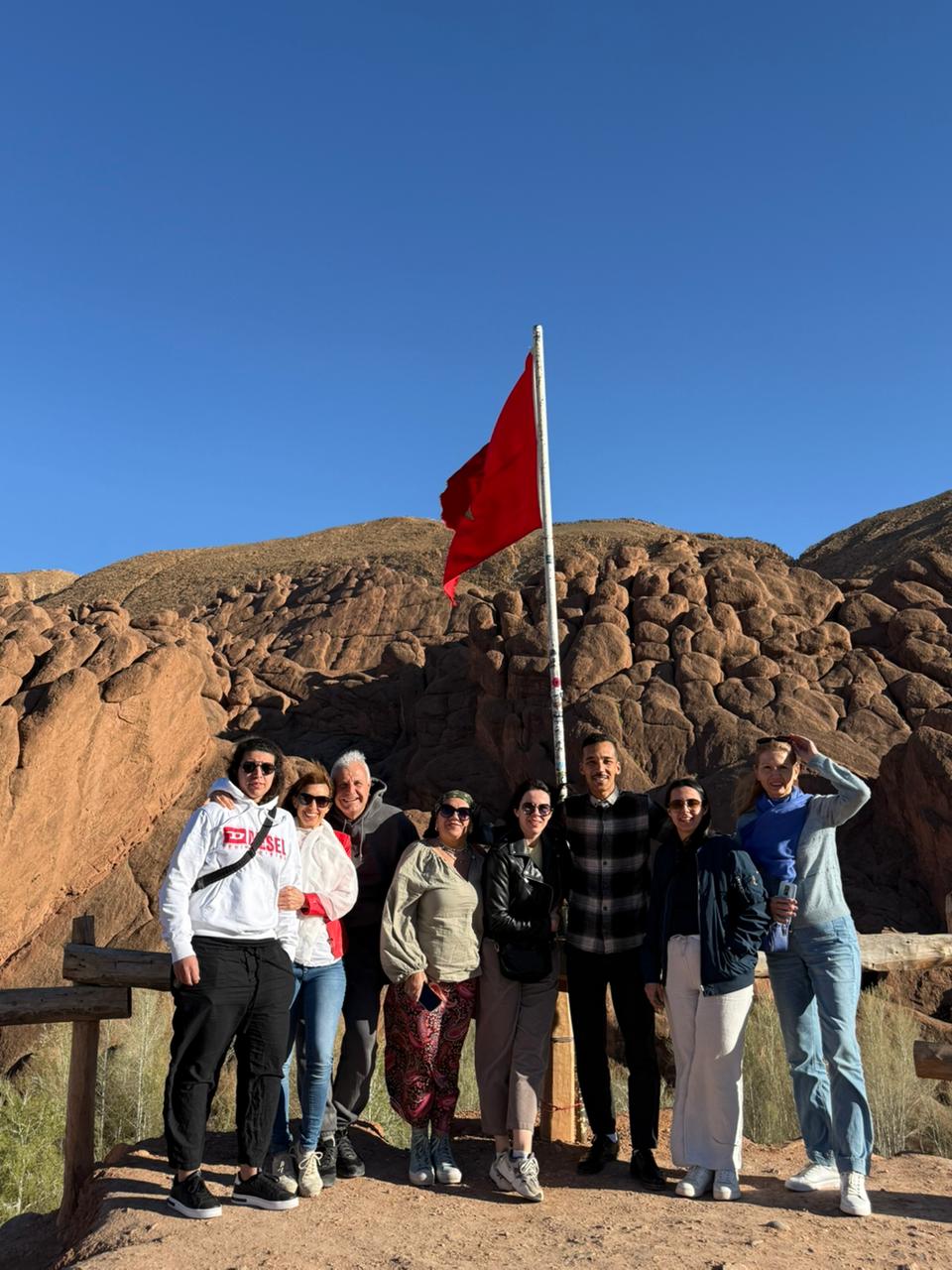
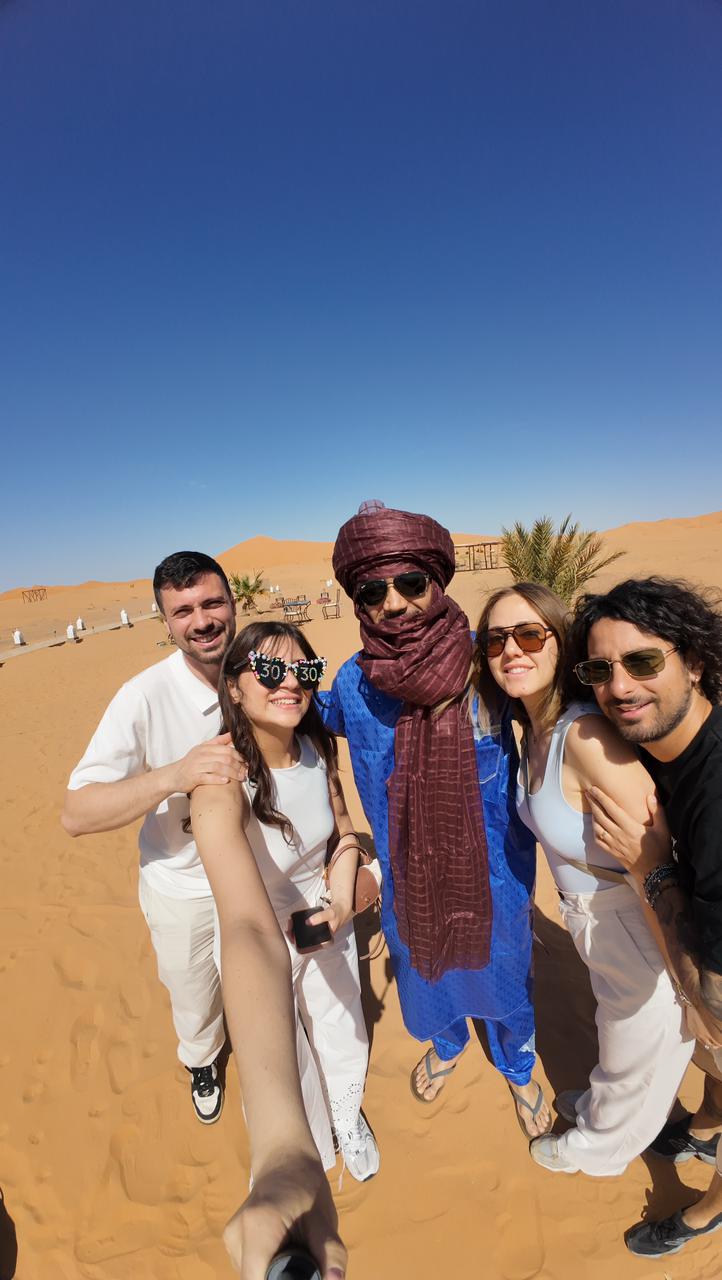
Is Morocco Safe for Americans in the Desert?
Yes. The Sahara near Merzouga is calm and friendly, and the camps are run by local families. The main risks are natural: heat in summer, cold at night in winter and the strong sun. Therefore, drink plenty of water, wear a scarf and bring warm layers. Our guide to what to pack for the Sahara lists everything you need.
Advice for Different Travelers
Women. Most women travel without trouble, but some face unwanted comments in busy streets. Still, modest clothes and confident walking help. Read our honest guide for solo female travelers and what to wear in Morocco for women.
Black American travelers. Morocco has deep African roots, and many Black Americans feel at home here. Our guide for Black American travelers in Morocco covers safety and heritage honestly.
LGBTQ travelers. Same-sex relations are illegal in Morocco, so discretion in public is important. Many LGBTQ travelers still visit safely. See our gay and lesbian Morocco tours page.
Entry Rules and Emergency Numbers
US citizens do not need a visa for stays under 90 days. However, your passport must be valid for at least six months when you arrive. Read our guide to the Morocco visa for Americans for details.
- Police: 19 from a landline or 190 from a mobile.
- Ambulance and fire: 15.
- Royal Gendarmerie (outside cities): 177.
- US Consulate General Casablanca: +212 522 642 099.
First, keep these numbers on your phone. Also, save a photo of your passport, because it helps if you lose the original. For a reliable connection, read our guide to the best SIM card in Morocco.
Why Americans Feel Welcome in Morocco
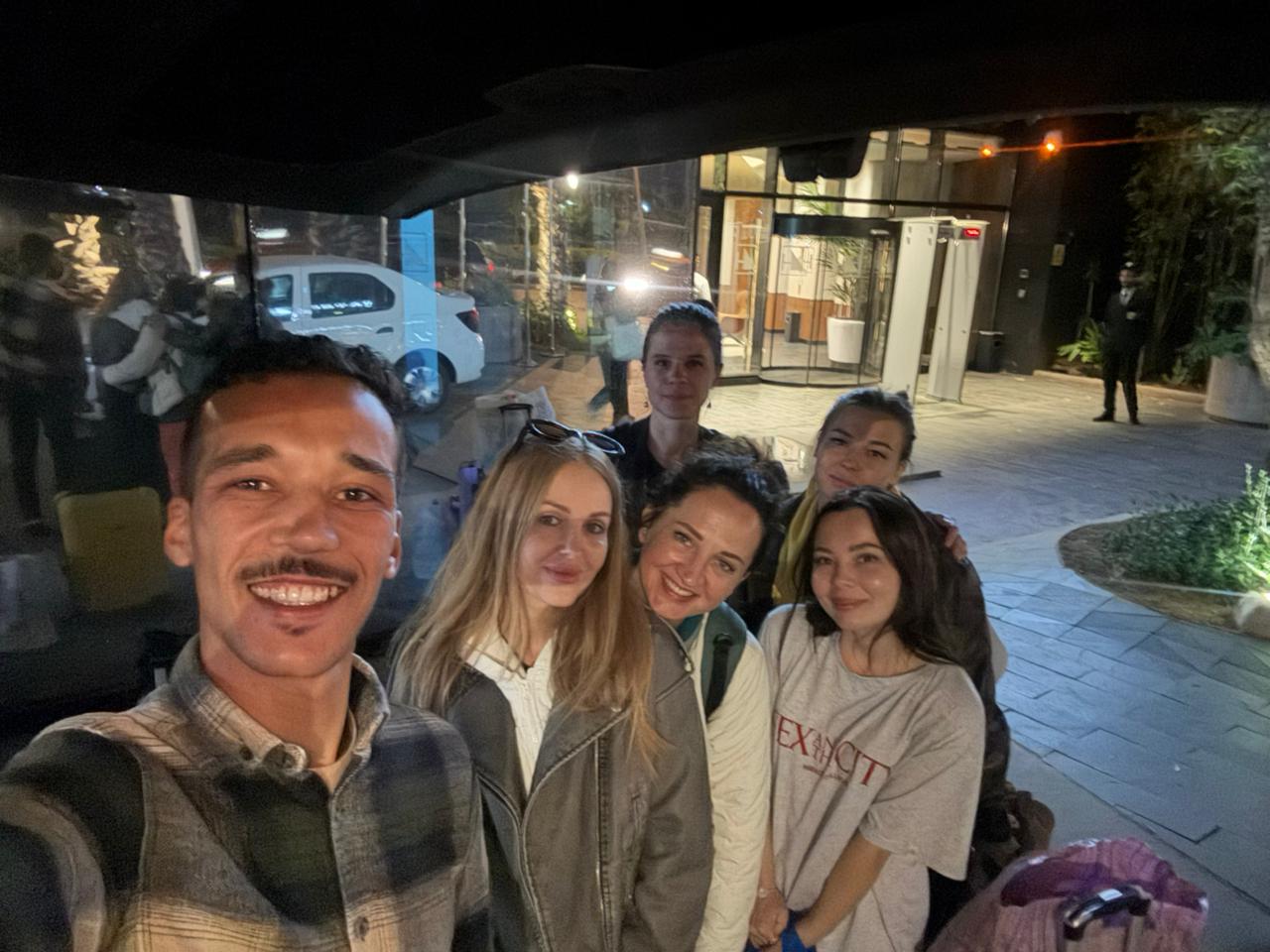
Morocco and the United States have a long friendship. In fact, Morocco was one of the first countries to recognize the new United States in 1777. Read the full story in Morocco and the USA: the first country to recognize America. As a result, most Moroccans today are warm and curious when they meet Americans.
So, Is Morocco Safe for Americans?
Yes. With normal city habits and a good driver for long roads, Morocco is a safe and rewarding trip. Plan your route with 7 days in Morocco or our 8-day itinerary for US travelers. Then check flights to Morocco from the USA and tipping in Morocco.
Travel with Local Guides
Send us a message on WhatsApp at +212 609 490 681 or use the contact page. Tell us your dates and your group. After that, we will send you a plan and a price. Popular trips include the 3-day Marrakech to the Sahara tour and the 10-day Morocco tour from Marrakech.
Questions about safety? Ask a local.
Message us on WhatsAppIs Morocco Safe for Americans? FAQ
Is Morocco safe for Americans right now?
Yes, for most travelers. The US advisory is Level 2, “Exercise Increased Caution”, the same level as many European countries.
Do Americans need a visa for Morocco?
No. In fact, US citizens can stay up to 90 days without a visa.
Is Marrakech safe for American tourists?
Yes. However, watch for pickpockets in crowds and agree on taxi prices before you ride.
Is it safe to drive in Morocco?
It is possible, but night driving is risky. Many visitors prefer a private driver.
What is the police number in Morocco?
Dial 19 from a landline or 190 from a mobile phone.
Navigate Morocco is a team from the Sahara desert who work as a family, as our ancestors did. We will be glad to help you travel safely.
More Navigate Morocco guides: cash in Morocco, activities in Marrakech, things to do in Agafay Desert, the best time to visit Morocco, Morocco honeymoon.